
Full Coverage Car Insurance — Alabama
Free to compare
The Full Coverage Decision for Multiple Vehicles
You own two or more cars in Alabama and you're trying to decide whether to carry full coverage on all of them or just liability on some. The question matters because full coverage costs more than liability alone, and when you're insuring multiple vehicles on one policy, the difference compounds. A lender requires full coverage on a financed car. An older paid-off car might not justify the added premium.
Full coverage is not a legal term. It's shorthand for a policy that combines Alabama's required liability minimums with collision and comprehensive coverage. Collision pays to repair your car after an accident regardless of fault. Comprehensive pays for theft, vandalism, weather damage, and animal strikes. Liability alone covers damage you cause to others but leaves your own vehicle unprotected. The structural reality: you can carry different coverage levels on different vehicles on the same policy, and most households do exactly that.
“A lender requires full coverage until the loan is paid off. You cannot drop collision or comprehensive on a financed vehicle without violating the loan agreement.”
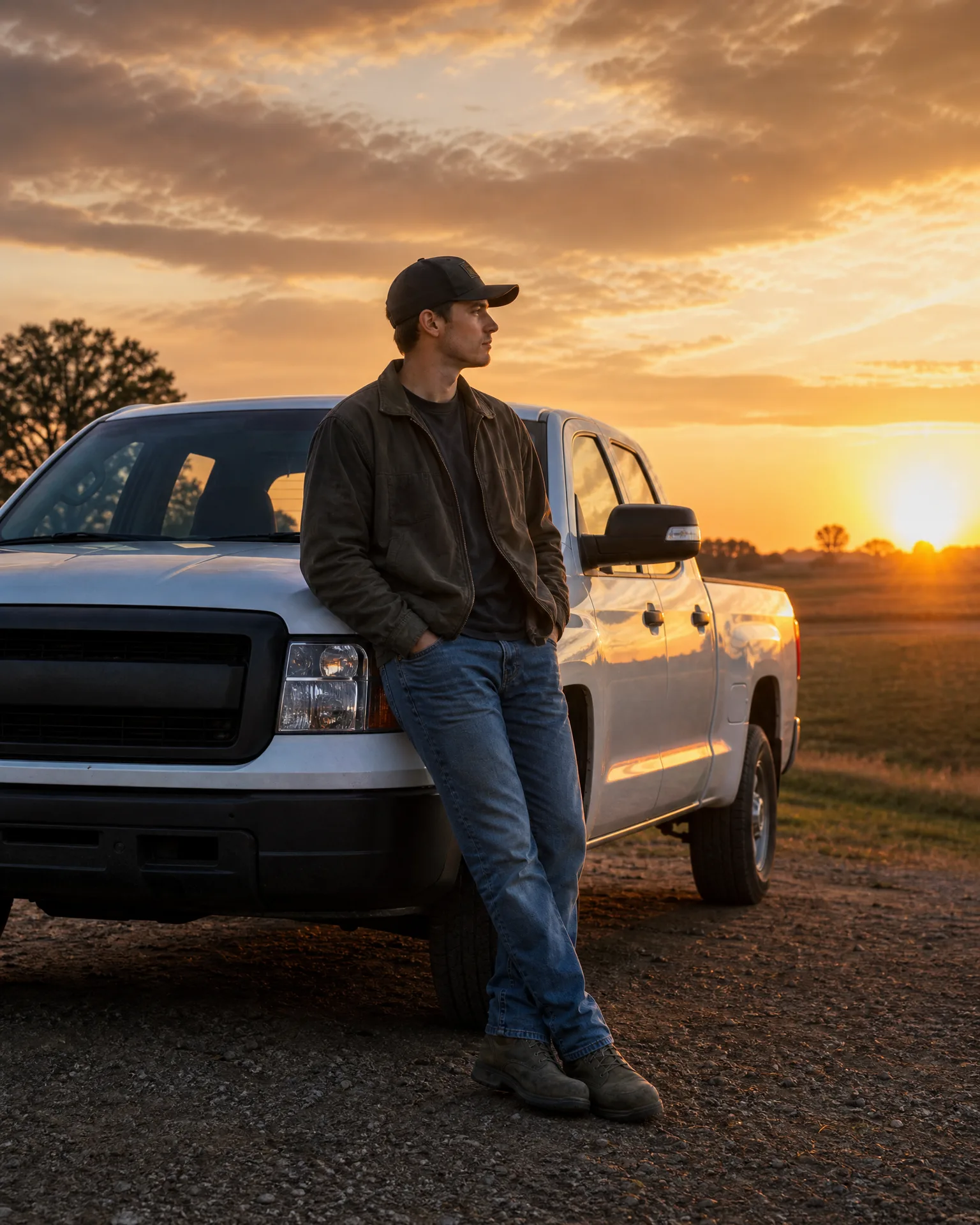
See What Alabama Drivers Pay for the Coverage They Need
Get My Alabama Car Insurance Quote$25,000/$50,000/$25,000
Alabama Liability Minimums
Alabama law requires $25,000 bodily injury per person, $50,000 bodily injury per accident, and $25,000 property damage. These minimums apply to every vehicle you register, whether you add collision and comprehensive or not.
Alabama Code §32-7-6
What Full Coverage Actually Covers
Full coverage starts with Alabama's liability minimums and adds collision and comprehensive. Liability pays for injuries and property damage you cause to others. Collision pays to repair or replace your car after a crash, minus your deductible, whether you caused the accident or the other driver did. Comprehensive pays for non-collision damage: a tree falls on your car, someone breaks a window, hail dents the hood, or the vehicle is stolen.
Both collision and comprehensive require you to choose a deductible, typically $500 or $1,000. A $500 deductible costs more per month but leaves you with a smaller out-of-pocket bill at claim time. A $1,000 deductible lowers your premium but means you pay the first $1,000 of repair costs yourself. When you insure multiple vehicles, you choose a deductible for each car independently. One vehicle can carry a $500 collision deductible while another on the same policy carries $1,000.
Full coverage does not include uninsured motorist coverage, personal injury protection, or rental reimbursement unless you add them separately. Alabama does not require uninsured motorist coverage, but 16.8% of Alabama drivers are uninsured as of 2023. Many households add uninsured motorist bodily injury and property damage to fill the gap when an at-fault driver has no insurance. That decision is separate from the full-coverage question and applies across all vehicles on the policy.

A lender requires full coverage until the loan is paid off. You cannot drop collision or comprehensive on a financed vehicle without violating the loan agreement.







How Adding or Dropping Coverage Affects the Whole Policy
When you add a vehicle to an existing multi-car policy, the carrier re-rates the entire policy. Adding full coverage on a third car does not simply tack on a flat amount. The carrier recalculates your multi-car discount, your liability exposure across all vehicles, and the household's total insured value. A newer high-value vehicle raises the premium more than an older low-value one, but both trigger a full re-rating.
Dropping collision and comprehensive on one vehicle mid-term also re-rates the policy. You do not wait until renewal to see the savings. Most carriers adjust the premium immediately and issue a prorated refund or credit the difference toward the next billing cycle. The multi-car discount still applies to the remaining vehicles as long as they sit on the same policy. Dropping full coverage on one car does not eliminate the discount on the others.
One collision claim on any vehicle can raise the premium for every car on the policy. Carriers price multi-car policies based on household risk, not per-vehicle risk. A single at-fault accident surcharges the entire policy at renewal, even if the other vehicles were not involved. This structural reality makes the deductible choice more consequential. A low deductible costs more per month but reduces the temptation to file a small claim that would surcharge the whole household.
16.8%
Alabama Uninsured Motorist Rate
16.8% of Alabama drivers carried no insurance in 2023. Uninsured motorist coverage protects you when an at-fault driver cannot pay. It is not part of full coverage but is often added alongside it.
Insurance Research Council, 2023

Structuring Coverage Across Your Vehicles
Most Alabama households with multiple vehicles carry full coverage on financed cars and newer paid-off vehicles, and liability-only on older paid-off cars. The truck still meets Alabama's liability minimums, but collision and comprehensive would cost more over two years than the vehicle is worth.
Compare carriers that write multi-car policies in Alabama and quote each coverage scenario separately. One carrier might price full coverage on three vehicles lower than another prices full coverage on two and liability on one. The multi-car discount, the base rate, and the way the carrier prices collision and comprehensive all vary. State Farm, GEICO, Progressive, Allstate, and Nationwide all write multi-car policies in Alabama. Request quotes with the exact coverage structure you want on each vehicle and compare the total annual premium, not just the per-vehicle breakdown.
Compare Carriers and Coverage Structures Now
The full-coverage decision is not all-or-nothing across your household. You control it per vehicle based on value, lender requirements, and your deductible budget. Compare carriers that write Alabama multi-car policies and quote the exact coverage mix you need: full coverage where a lender requires it or the vehicle justifies it, liability-only where it does not. The premium difference between structures is often larger than the difference between carriers, so quote both variables at once.
When Full Coverage Makes Sense Per Vehicle
If a lender holds the title, full coverage is mandatory. The loan agreement requires collision and comprehensive until you pay off the balance. Drop either coverage and the lender will force-place insurance at a much higher cost and bill you for it. This rule applies to every financed vehicle on your policy. A household with one financed car and two paid-off cars must carry full coverage on the financed vehicle and can choose liability-only on the others.
For a paid-off vehicle, compare the car's current value to the annual cost of collision and comprehensive. You recover five years of premiums in one claim. The math shifts as the vehicle ages and depreciates.
Get Your Free Quote
Get My Alabama Car Insurance QuoteFrequently Asked Questions
Does Alabama require full coverage car insurance?
No. Alabama requires liability insurance only: $25,000 bodily injury per person, $50,000 per accident, and $25,000 property damage. Full coverage — liability plus collision and comprehensive — is required only if a lender holds the title to your vehicle.
Can I carry full coverage on one car and liability-only on another on the same policy?
Yes. Most multi-car policies let you choose different coverage levels per vehicle. A financed car can carry full coverage while an older paid-off car on the same policy carries liability-only. The multi-car discount applies to both.
What is the difference between collision and comprehensive coverage?
Collision pays to repair your car after an accident, regardless of fault. Comprehensive pays for non-collision damage: theft, vandalism, weather, falling objects, and animal strikes. Both require a deductible, typically $500 or $1,000.
How much does full coverage cost in Alabama for multiple vehicles?
Cost depends on each vehicle's value, age, your driving record, location, and the deductibles you choose. Carriers price multi-car policies differently. Compare quotes from State Farm, GEICO, Progressive, Allstate, and Nationwide with the exact coverage structure you need on each car.
Does dropping full coverage on one vehicle affect my multi-car discount?
No. The multi-car discount applies as long as multiple vehicles remain on the same policy, regardless of whether each carries full coverage or liability-only. Dropping collision and comprehensive on one car does not eliminate the discount on the others.
When should I drop full coverage on an older car?
When the annual cost of collision and comprehensive exceeds the vehicle's current value minus the deductible. Many households drop full coverage at that threshold.