
Liability-Only vs Full Coverage Car Insurance — Alabama
Free to compare
The Multi-Car Coverage Decision Alabama Households Face
You own three vehicles: a 2022 sedan you financed last year, a 2015 SUV you paid off, and a 2008 pickup you use for weekend projects. Alabama law requires $25,000 per person and $50,000 per accident in bodily injury liability, plus $25,000 in property damage liability, on every vehicle you register. That minimum is non-negotiable. The question is whether you add collision and comprehensive — what the industry calls full coverage — to all three cars, or structure your policy so each vehicle carries only the protection its value justifies.
Most households default to identical coverage on every car because that is how the carrier quote tool presents the options. The structural reality: Alabama does not require collision or comprehensive on any vehicle, even a financed one, though your lender does. You control the coverage level on every car you own outright, and you can mix liability-only and full coverage on the same policy.
“Alabama does not require collision or comprehensive on any vehicle, even a financed one, though your lender does.”

See What Alabama Drivers Pay for the Coverage They Need
Get My Alabama Car Insurance Quote$25,000/$50,000/$25,000
Alabama Minimum Liability
Every registered vehicle in Alabama must carry at least $25,000 per person and $50,000 per accident in bodily injury liability, plus $25,000 in property damage liability. This is the floor, not a recommendation.
Alabama Code §32-7-6
What Liability-Only Actually Covers Across Multiple Vehicles
Liability-only means you carry Alabama's minimum required coverage and nothing else. It pays the other driver's medical bills and vehicle damage when you cause an accident. It does not pay to repair your own car, replace your own car after a total loss, or cover your own medical bills unless you add optional personal injury protection. On a multi-car policy, liability-only on one vehicle protects that car's driver from legal liability but leaves the vehicle itself unprotected.
The decision makes sense when the vehicle's actual cash value is low enough that a total-loss payout would not justify the collision premium. You are paying to insure an asset whose loss you could absorb. The 2022 sedan is the opposite case: its value is high, you owe money on it, and your lender requires both collision and comprehensive until the loan is paid. Liability-only is not an option on a financed vehicle.
Alabama does not mandate uninsured motorist coverage, but 16.8% of Alabama drivers carry no insurance. That figure comes from the Insurance Research Council's 2023 uninsured motorist study. When an uninsured driver hits your liability-only vehicle, your liability policy pays nothing. You file a claim against the at-fault driver personally, and if they have no assets, you absorb the loss. Adding uninsured motorist property damage coverage to a liability-only vehicle closes that gap without the cost of full collision coverage.
Households that carry liability-only on one or more vehicles and full coverage on others often add uninsured motorist coverage at the policy level so every car benefits. The premium is lower than collision, and it protects against the specific risk Alabama's high uninsured rate creates.
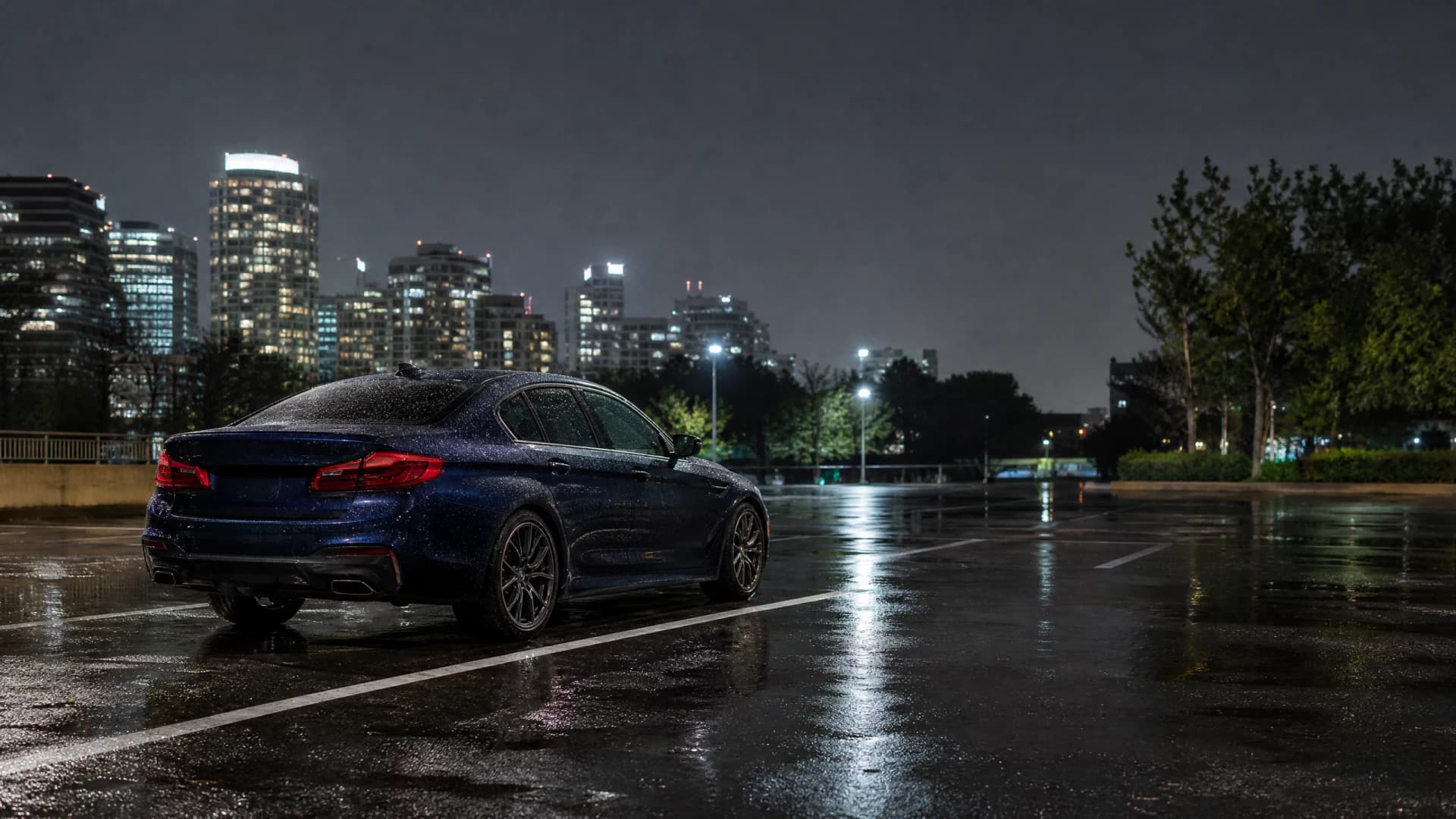
Alabama liability-only policies do not cover your own vehicle damage. When the at-fault driver is uninsured, you pay out of pocket unless you added uninsured motorist property damage.



How Lenders and Lease Companies Control Your Coverage Choices
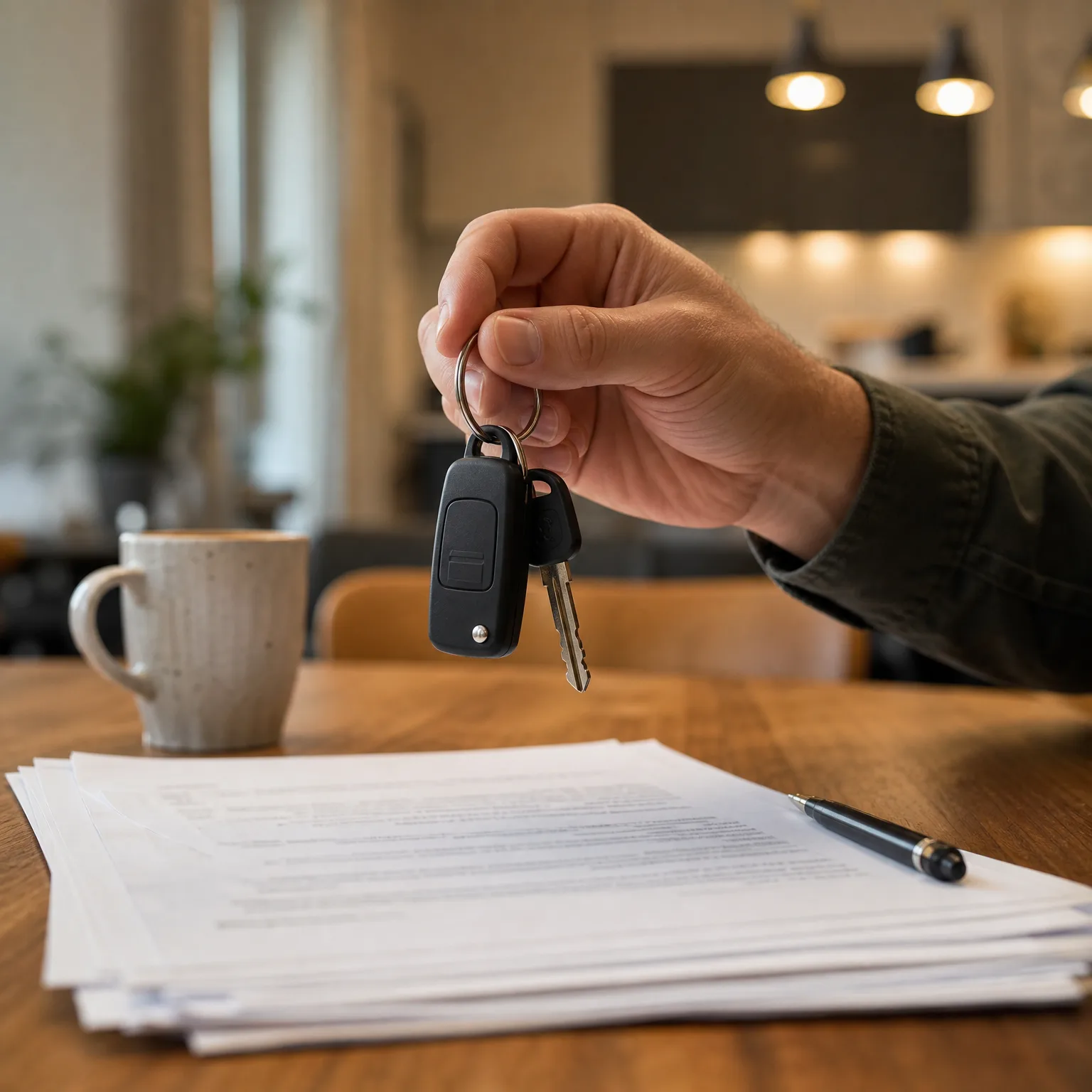
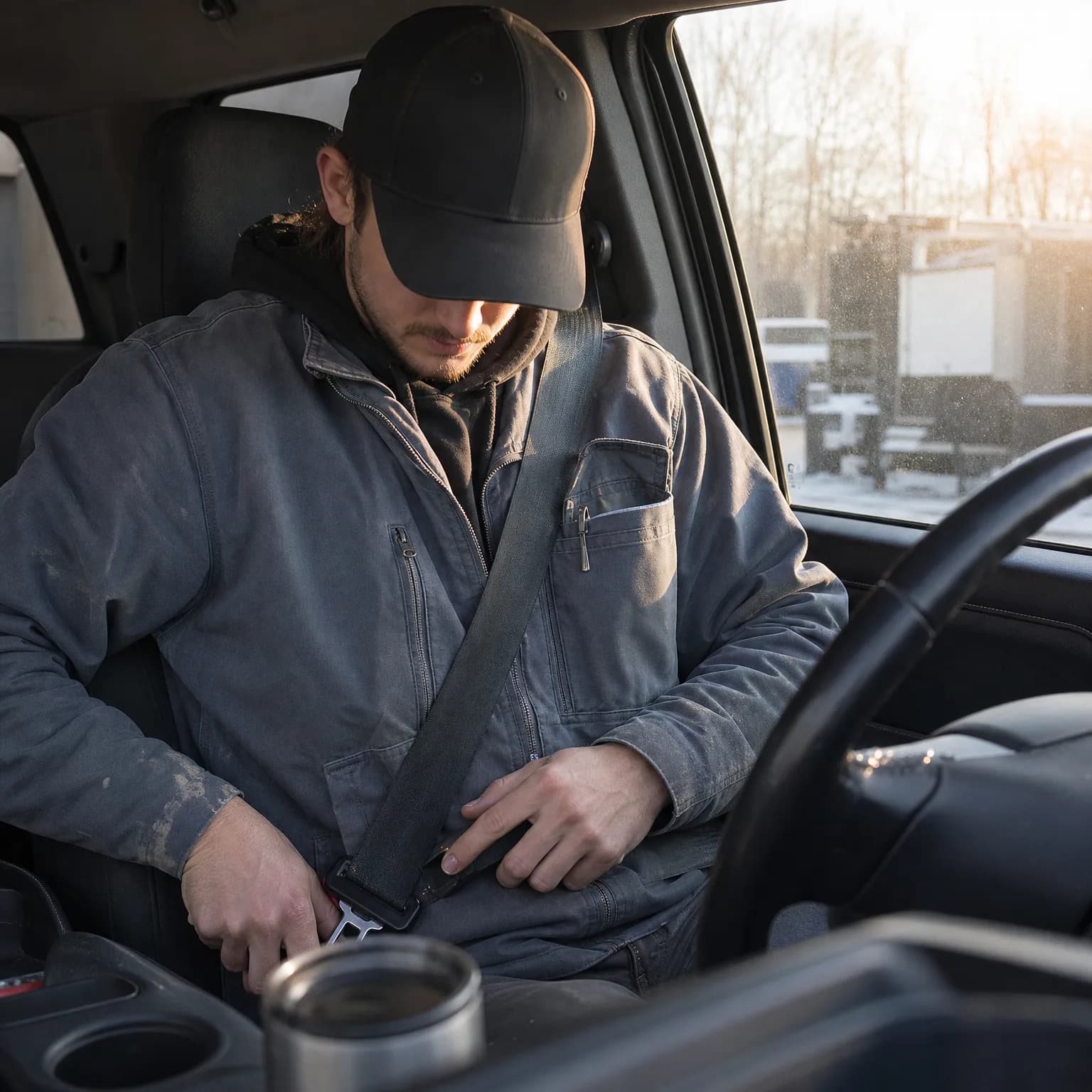
Any vehicle with an outstanding loan or an active lease requires collision and comprehensive coverage. The lender or lease company is named on the policy as the lienholder or loss payee, and the carrier notifies them if you cancel or reduce coverage. If you drop collision on a financed vehicle, the lender will force-place coverage at a higher premium and bill you for it. This is a contract requirement, not a state law. Alabama does not require collision or comprehensive on any vehicle, but your finance agreement does.
Once the loan is paid and the lien is released, you control the coverage. The 2015 SUV you paid off three years ago no longer has a lender watching the policy. You can drop collision and comprehensive the day the lien releases, and many households do exactly that when the vehicle's value falls below the threshold where collision premiums justify the maximum payout. The 2022 sedan stays at full coverage because you still owe on it. The 2008 pickup was never financed, so it has always been your choice.
Lease agreements are stricter than loans. Most lease contracts require low deductibles, often $500 or less, and some require gap insurance to cover the difference between the vehicle's actual cash value and the lease payoff amount. When you return the vehicle at lease end, those requirements expire. If you buy out the lease, the lender's requirements continue until you pay off the buyout loan.
16.8%
Alabama Uninsured Motorist Rate
Nearly one in six Alabama drivers carries no insurance. When an uninsured driver hits your liability-only vehicle, your policy pays nothing, and you file against the at-fault driver personally.
Insurance Research Council, 2023

The Per-Vehicle Break-Even Calculation
The decision to carry full coverage or liability-only on a paid-off vehicle comes down to whether the collision and comprehensive premium justifies the maximum payout. That is the math that drives households to drop full coverage on older cars.
The threshold is not universal. Others drop it the moment the math stops working. If losing the 2008 pickup means you cannot haul materials for weekend projects but you would not buy another truck, the loss is inconvenience, not financial catastrophe, and liability-only makes sense.
How Multi-Car Discounts Interact with Mixed Coverage Levels
The multi-car discount applies to the policy, not to individual vehicles. When you insure three cars on one policy, the carrier discounts the total premium compared to three separate policies. That discount does not disappear when you drop collision on one vehicle. You still have three cars on one policy, and the multi-car discount still applies. The only change is that the collision and comprehensive premium for the liability-only vehicle drops to zero, lowering your total.
Some households worry that dropping full coverage on one car will cost them the multi-car discount. It does not. The discount is triggered by the number of vehicles on the policy, not by the coverage level on each vehicle. You can carry full coverage on two cars and liability-only on the third, and the multi-car discount applies to all three. The total premium is lower than it would be with full coverage on all three, and lower than it would be with three separate policies.
The structural mistake households make is assuming the multi-car discount requires identical coverage on every vehicle. Carriers do not require that. They require that every vehicle sit on the same policy, which is a different constraint. Once that constraint is met, you control the coverage level on every car you own outright. The 2022 sedan stays at full coverage because the lender requires it. The 2015 SUV and the 2008 pickup are yours to structure however the math justifies.
Compare Carriers That Write Alabama Multi-Car Policies
Alabama households insuring multiple vehicles with mixed coverage levels should compare carriers that write both liability-only and full coverage on the same policy. Not every carrier prices this structure competitively. Some carriers load the liability-only vehicle with a higher per-vehicle fee that erases the savings from dropping collision. Others price liability-only and full coverage independently and apply the multi-car discount cleanly to the total. The only way to know which structure saves you money is to request quotes from multiple carriers with the exact coverage configuration you need: full coverage on the financed sedan, your choice on the paid-off SUV and the older truck.
Carriers licensed in Alabama that write multi-car policies include State Farm, GEICO, Progressive, Allstate, Farmers, Nationwide, Liberty Mutual, Travelers, and Auto-Owners. Request quotes from at least three carriers, specify the coverage level for each vehicle, and compare the total annual premium. The lowest total wins, not the lowest per-vehicle rate. A carrier that charges slightly more for full coverage but applies a larger multi-car discount can beat a carrier with a lower base rate and a smaller discount.
What Full Coverage Adds to Each Vehicle on Your Policy
Collision pays to repair your car after an accident you caused or a single-car crash, minus your deductible. Comprehensive pays to repair or replace your car after theft, vandalism, hail, flood, fire, or animal strikes, minus your deductible. Both coverages pay up to the vehicle's actual cash value at the time of loss. When your 2015 SUV is totaled, the carrier pays what a 2015 SUV in similar condition sells for in your area, not what you paid for it or what a new replacement costs.
Deductibles are per vehicle, not per policy. If you carry a $500 deductible on the sedan and a $1,000 deductible on the SUV, and both are damaged in the same accident, you pay $500 on the sedan claim and $1,000 on the SUV claim. Raising the deductible lowers the collision and comprehensive premium but increases your out-of-pocket cost at claim time. The decision is vehicle-specific: a high-value car justifies a lower deductible because a total loss is expensive, and a low-value car justifies a higher deductible because the maximum payout is capped at a figure you might self-insure.
Get Your Free Quote
Get My Alabama Car Insurance QuoteFrequently Asked Questions
Does Alabama require full coverage car insurance?
No. Alabama requires only liability coverage: $25,000 per person and $50,000 per accident in bodily injury liability, plus $25,000 in property damage liability. Collision and comprehensive are optional unless your lender or lease company requires them.
Can I carry liability-only on one car and full coverage on another on the same policy?
Yes. Alabama allows you to structure coverage independently for each vehicle on a multi-car policy. You can carry full coverage on a financed car and liability-only on a paid-off car, and the multi-car discount still applies to the total premium.
What happens if an uninsured driver hits my liability-only car in Alabama?
Your liability policy pays nothing for your own vehicle damage. You file a claim against the at-fault driver personally. If they have no assets, you absorb the loss unless you added uninsured motorist property damage coverage to your policy.
When should I drop full coverage on a paid-off car?
Drop full coverage when the annual collision and comprehensive premium approaches the vehicle's actual cash value minus your deductible. Compare that to your annual premium to decide whether the coverage justifies the cost.
Do I lose the multi-car discount if I drop collision on one vehicle?
No. The multi-car discount applies to the number of vehicles on the policy, not the coverage level on each vehicle. You can carry full coverage on two cars and liability-only on a third, and the discount applies to all three.
What is the difference between liability-only and full coverage in Alabama?
Liability-only covers the other driver's medical bills and vehicle damage when you cause an accident. Full coverage adds collision and comprehensive, which pay to repair or replace your own vehicle after an accident, theft, or other covered loss.
Can I carry different deductibles on different cars on the same policy?
Yes. Deductibles are per vehicle. You can carry a $500 deductible on a high-value car and a $1,000 deductible on a lower-value car on the same multi-car policy. Each vehicle's deductible applies independently at claim time.