
Liability vs Full Coverage — Alabama
Free to compare
The Multi-Car Coverage Decision
You insure two or more vehicles on one Alabama policy. One car is newer, financed, or driven daily by a household member with a long commute. Another is older, paid off, or sits in the driveway most weeks. Your carrier quotes full coverage for both, but you wonder whether liability-only makes sense for the second vehicle. The decision is not household-wide: it is per vehicle, and the right answer depends on each car's value, loan status, and how often it is driven.
Alabama law requires every registered vehicle to carry at least $25,000 bodily injury per person, $50,000 bodily injury per accident, and $25,000 property damage liability. That baseline applies to every car on your policy. Full coverage adds collision and comprehensive on top of liability, protecting your own vehicle in addition to others. The question is whether the collision and comprehensive premiums justify the payout you would receive if that specific car is totaled or stolen.
“On a multi-car policy, the right coverage decision is per vehicle, not household-wide.”

See What Alabama Drivers Pay for the Coverage They Need
Get My Alabama Car Insurance Quote$25,000/$50,000/$25,000
Alabama Liability Minimums
Every registered vehicle in Alabama must carry at least $25,000 bodily injury per person, $50,000 bodily injury per accident, and $25,000 property damage liability. These minimums apply to each vehicle on a multi-car policy, regardless of whether you add collision or comprehensive.
Alabama Code §32-7-6
What Liability Covers and What It Does Not
Liability insurance pays for damage you cause to another person or their property. If you rear-end another driver, liability covers their medical bills and vehicle repairs up to your policy limits. It does not pay to repair your own car. If your vehicle is totaled in an at-fault crash, liability leaves you with the loss.
Full coverage adds collision and comprehensive. Collision pays to repair or replace your car after a crash, regardless of fault. Comprehensive covers theft, vandalism, hail, fire, and animal strikes. Together, these coverages protect your vehicle's value. The trade-off is cost: collision and comprehensive premiums vary by vehicle value, deductible, and your driving record, and they add significantly to the total policy premium.
On a multi-car policy, you choose collision and comprehensive separately for each vehicle. Alabama does not require full coverage by law, but lienholders do. If a vehicle is financed or leased, the lender requires collision and comprehensive until the loan is paid off. Once you own the car outright, the decision is yours.
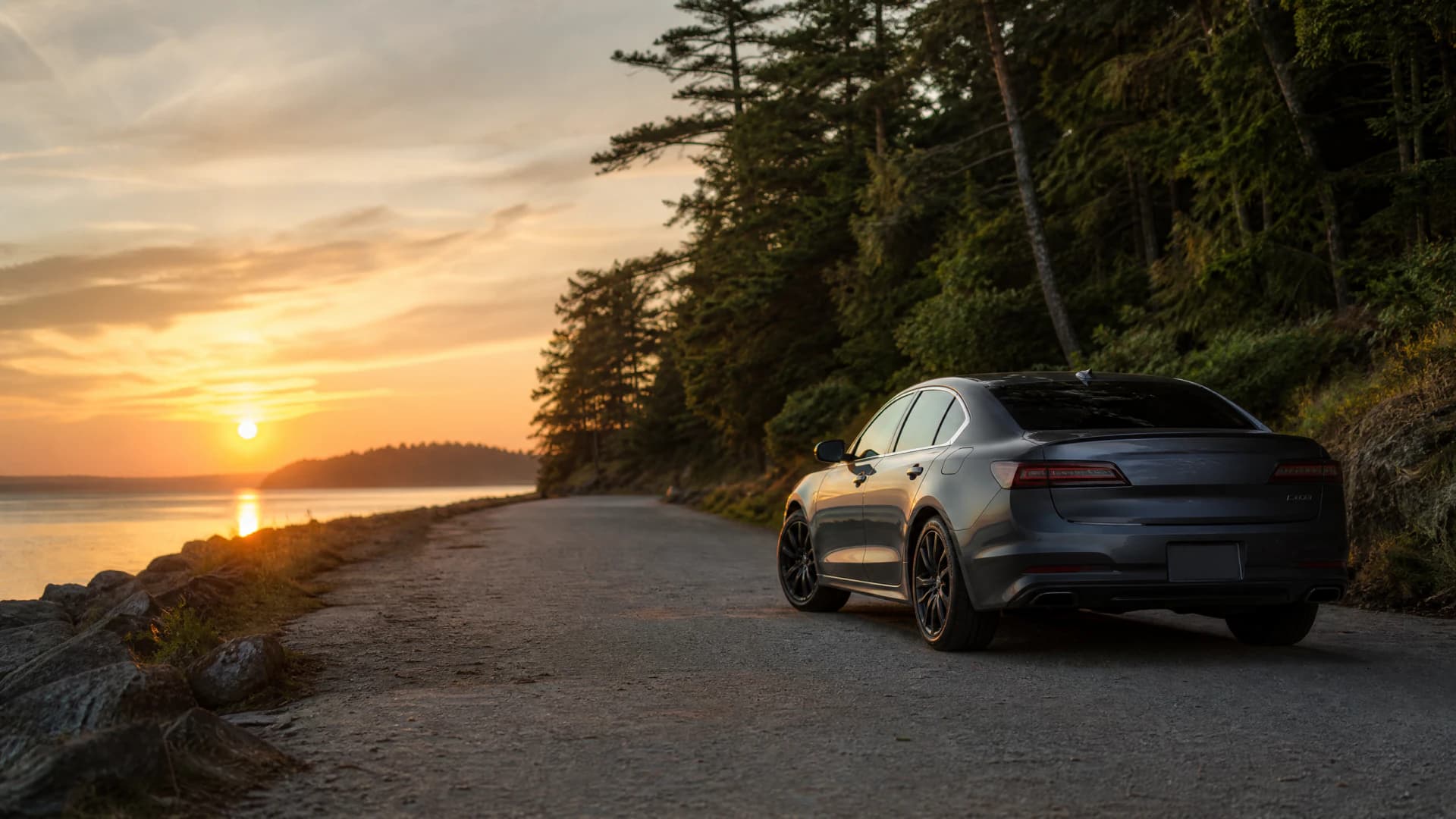
The vehicle's current market value determines whether full coverage premiums justify the maximum payout you would receive if the car is totaled.





When Liability-Only Makes Sense
Liability-only coverage makes sense when the vehicle's market value is low enough that you can afford to replace it out of pocket, and when the collision and comprehensive premiums approach or exceed the maximum payout you would receive if the car is totaled. A common rule of thumb: if annual collision and comprehensive premiums exceed 10 percent of the vehicle's current value, consider dropping to liability-only.
Older vehicles, paid-off vehicles, and cars driven infrequently are strong candidates for liability-only. Dropping to liability-only saves the collision and comprehensive premiums, and you accept the risk of replacing the car yourself if it is totaled.
Alabama does not penalize you for carrying liability-only on a paid-off vehicle. The state requires only that you meet the $25,000/$50,000/$25,000 minimums. If you drop collision and comprehensive on one vehicle, the multi-car discount still applies to the entire policy, as long as every vehicle remains on the same policy and meets the state minimums.
16.8%
Alabama Uninsured Motorist Rate
16.8 percent of Alabama motorists drive uninsured. If an uninsured driver totals your car, liability-only leaves you with no payout. Uninsured motorist property damage coverage is optional in Alabama but worth considering on vehicles you cannot afford to replace out of pocket.
Insurance Research Council, 2023

Structuring Coverage Across Multiple Vehicles
On a multi-car policy, you can mix coverage levels. One vehicle carries full coverage, another carries liability-only. Alabama law and most carriers allow this structure as long as every vehicle meets the state minimums. The premium reflects the coverage on each car individually: the vehicle with full coverage costs more to insure than the one with liability-only, but both benefit from the multi-car discount applied to the total policy premium.
When you add or remove collision and comprehensive mid-term, the carrier re-rates the policy immediately. Dropping full coverage on one vehicle lowers the premium starting the day the change takes effect. Adding full coverage to a vehicle you just bought raises the premium. The multi-car discount recalculates based on the new total premium, not per vehicle. Most Alabama households structure coverage this way: full coverage on the newer or financed vehicles, liability-only on the older or rarely-driven ones.
Compare Carriers and Adjust Coverage
Carriers price collision and comprehensive differently. The difference compounds across multiple vehicles. When you structure coverage on a multi-car policy, compare quotes from at least three carriers that write multi-vehicle policies in Alabama. Alabama car insurance requirements set the liability floor, but collision and comprehensive premiums vary widely by carrier, vehicle, and household.
Review coverage annually. As vehicles age, their market value drops, and the case for full coverage weakens. A car that justified full coverage two years ago may not today. When the vehicle's value falls below the threshold where premiums justify the payout, drop to liability-only and redirect the savings toward higher liability limits or uninsured motorist coverage that protects every vehicle on the policy.
When Full Coverage Makes Sense
A financed or leased vehicle requires full coverage until the loan is satisfied. Beyond that requirement, full coverage makes sense when the vehicle's current market value is high enough that losing it would create financial hardship. If the vehicle is driven daily by a household member who depends on it for work or school, full coverage ensures you can repair or replace it quickly after a covered loss.
Newer vehicles, high-value vehicles, and cars driven frequently by household members with long commutes are strong candidates for full coverage. Older vehicles with low market value are not. At that point, liability-only makes more financial sense, and you self-insure the vehicle's replacement cost.
Get Your Free Quote
Get My Alabama Car Insurance QuoteFrequently Asked Questions
Can I carry full coverage on one vehicle and liability-only on another on the same Alabama policy?
Yes. Alabama law and most carriers allow you to structure coverage differently for each vehicle on a multi-car policy, as long as every vehicle meets the $25,000/$50,000/$25,000 liability minimums. The multi-car discount applies to the total policy premium regardless of which vehicles carry full coverage.
Does dropping full coverage on one vehicle affect the multi-car discount?
No. The multi-car discount applies as long as every vehicle remains on the same policy and meets Alabama's minimum liability requirements. Dropping collision and comprehensive on one vehicle lowers the total premium, and the discount recalculates based on the new total.
What happens if an uninsured driver totals my car and I only carry liability coverage?
Liability coverage does not pay to repair or replace your own vehicle. If an uninsured driver totals your car and you carry liability-only, you receive no payout unless you also carry uninsured motorist property damage coverage, which is optional in Alabama.
How do I know when a vehicle's value is too low to justify full coverage?
A common rule of thumb: if annual collision and comprehensive premiums exceed 10 percent of the vehicle's current market value, consider dropping to liability-only. Calculate the maximum payout you would receive if the car is totaled, subtract your deductible, and compare that to two or three years of premiums.
Do I need full coverage on a financed vehicle in Alabama?
Yes. Lienholders require collision and comprehensive coverage until the loan or lease is satisfied. Once you own the vehicle outright, the decision to keep or drop full coverage is yours, based on the vehicle's value and your ability to replace it out of pocket.
Can I change coverage on one vehicle mid-term without affecting the others?
Yes. When you add or remove collision and comprehensive on one vehicle, the carrier re-rates that vehicle immediately and adjusts the total policy premium. The other vehicles on the policy are unaffected, and the multi-car discount recalculates based on the new total.