
When to Drop Full Coverage Car Insurance — Alabama
Free to compare
The Multi-Vehicle Coverage Decision
You own three cars. All three sit on one Alabama policy with full coverage — comprehensive, collision, and the state's $25,000/$50,000/$25,000 liability minimums. You're paying for collision coverage on a car whose total value wouldn't cover six months of premiums if you filed a claim.
The question isn't whether you can drop coverage on the older car. You can. The question is what happens to the rest of your policy when you do, and whether the savings on one vehicle outweigh the re-rating that hits all three. Alabama doesn't require comprehensive or collision on any vehicle you own outright, but changing coverage mid-term re-rates your entire household policy, not just the car you modified.
“Dropping coverage on one vehicle re-rates your entire Alabama household policy, not just the modified car.”

See What Alabama Drivers Pay for the Coverage They Need
Get My Alabama Car Insurance Quote$25,000/$50,000/$25,000
Alabama Liability Minimums
Alabama requires $25,000 bodily injury per person, $50,000 bodily injury per accident, and $25,000 property damage. These minimums apply to every vehicle on your policy, whether you carry full coverage or liability-only on individual cars.
Alabama Code §32-7-6
What Full Coverage Actually Protects
Full coverage is shorthand for a policy that includes comprehensive, collision, and liability. Comprehensive pays for non-collision damage — theft, hail, vandalism, hitting a deer. Collision pays for crash damage regardless of fault. Liability pays the other driver's bills when you're at fault. Alabama law mandates only the liability portion; comprehensive and collision are optional unless a lienholder requires them.
When you drop comprehensive and collision on one vehicle in a multi-car household, that car retains the same liability coverage as the rest of your policy. The multi-car discount doesn't disappear — it's tied to insuring multiple vehicles on one policy, not to coverage level. What changes is the total premium, because you're no longer paying collision and comprehensive premiums on the dropped vehicle, and because the carrier re-rates the policy when you modify coverage mid-term.
The re-rating matters more than most households expect. Carriers price multi-vehicle policies as a package. Removing coverage from one car doesn't simply subtract that car's collision and comprehensive premium; it recalculates risk across the household. If the car you're dropping coverage on was the lowest-risk vehicle — older driver, fewer miles, garaged in a lower-theft ZIP — the re-rating can reduce the savings you expected.
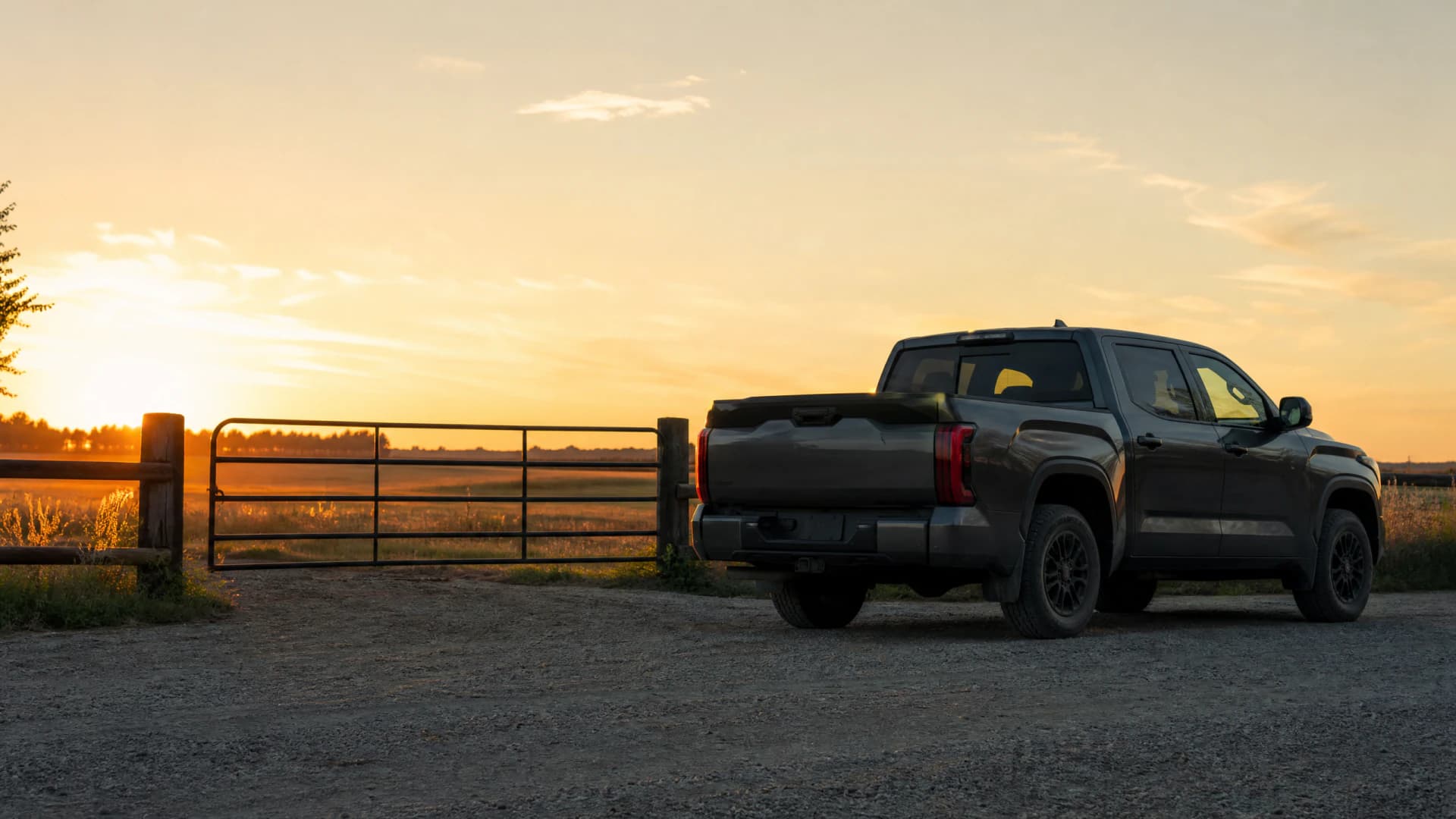
Dropping coverage on one vehicle re-rates your entire Alabama household policy, not just the modified car. The savings depend on how the carrier prices your full vehicle mix.





Lien and Lease Requirements
If you're still paying off a vehicle, the lienholder — the bank or credit union that financed the purchase — requires comprehensive and collision until the loan is satisfied. Lease agreements carry the same requirement. You cannot drop coverage on a financed or leased vehicle without breaching the contract, and the lienholder will force-place coverage at a much higher rate if your policy lapses or drops below their requirements.
This constraint matters in multi-vehicle households where one car is paid off and two are financed. You can drop coverage on the paid-off vehicle, but the financed cars must retain full coverage. The multi-car discount applies to all three vehicles regardless of individual coverage levels, but the savings from dropping one car's collision and comprehensive are limited to that single vehicle's premiums, minus the re-rating effect described earlier.
Alabama doesn't mandate comprehensive or collision on any vehicle, but lienholders do. Check your loan or lease paperwork before you call the carrier. If the car is titled in your name with no lien, you control the coverage decision. If a lienholder appears on the title, they control it until the loan is paid.
16.8%
Alabama Uninsured Motorist Rate
16.8% of Alabama drivers carry no insurance. Uninsured motorist coverage is optional in Alabama, but it's the only protection you have when an uninsured driver totals your car and has no assets to pursue. Liability-only policies don't cover your own vehicle damage.
Insurance Research Council, 2023

Timing the Coverage Change
Dropping coverage mid-term triggers an immediate re-rating. The carrier recalculates your premium based on the new coverage mix and issues a revised bill or refund for the remainder of the term. If you're three months into a six-month policy and you drop collision and comprehensive on one vehicle, you'll receive a pro-rated refund for the unused portion of those premiums, adjusted for the re-rating.
Timing the change at renewal avoids mid-term re-rating complexity. When your policy renews, request the coverage change before the new term starts. The carrier prices the renewal with the modified coverage from day one, and you avoid the pro-rated refund calculation and the risk that the re-rating reduces your expected savings. Most multi-vehicle households find it simpler to make coverage changes at renewal unless the vehicle in question has depreciated so far that waiting six months costs more than the administrative friction of a mid-term change.
Compare Carriers Before You Drop
Alabama's multi-vehicle market includes 25 carriers writing policies for households with two or more cars. Carriers price multi-car policies differently: some offer larger discounts for insuring three or more vehicles, others price liability-only vehicles more favorably, and a few specialize in mixed-coverage households where one car carries full coverage and two carry liability-only. Before you drop coverage on one vehicle with your current carrier, compare what a competitor would charge for the same coverage mix.
The comparison matters because the re-rating your current carrier applies when you drop coverage may leave you paying more than a competitor charges for the same household structure from the start. A carrier that prices three-vehicle households with mixed coverage levels more competitively may beat your current carrier's post-drop premium, and switching at renewal consolidates the coverage change and the carrier change into one event. Use the state's multi-vehicle comparison tool to see what carriers quote for your exact vehicle mix and coverage structure before you commit to dropping coverage in place.
Vehicle Value and Coverage Fit
A common threshold: if annual comprehensive and collision premiums exceed 10% of the vehicle's current market value, the coverage costs more to maintain than it's likely to return in a claim. Deductibles compress the gap further — a $500 or $1,000 deductible means the first $500 to $1,000 of damage comes out of pocket regardless.
Households with multiple vehicles face a second calculation: whether the car you're considering is genuinely a backup vehicle or a daily driver for a household member. If the 2012 sedan is driven 8,000 miles a year by a teenager commuting to school, collision coverage still matters — teen drivers have higher crash rates, and a totaled car creates a replacement problem even when the car's value is low. If the same car sits in the driveway as an emergency backup driven 1,200 miles a year, the risk profile is different, and liability-only makes more sense.
Get Your Free Quote
Get My Alabama Car Insurance QuoteFrequently Asked Questions
Can I drop full coverage on one car in a multi-vehicle Alabama policy?
Yes, as long as the vehicle has no lienholder requiring comprehensive and collision. Alabama mandates only $25,000/$50,000/$25,000 liability minimums; comprehensive and collision are optional on vehicles you own outright. Dropping coverage on one car doesn't affect the multi-car discount, but it re-rates your entire household policy.
Will I lose my multi-car discount if I drop collision on one vehicle?
No. The multi-car discount applies to households insuring multiple vehicles on one policy, regardless of individual coverage levels. You keep the discount as long as all your vehicles remain on the same policy, even if one carries liability-only and the others carry full coverage.
What happens to my Alabama policy premium when I drop coverage mid-term?
The carrier re-rates your entire household policy based on the new coverage mix and issues a pro-rated refund for the unused portion of the dropped premiums. The refund is adjusted for the re-rating, which recalculates risk across all vehicles. Timing the change at renewal avoids mid-term complexity.
Should I keep comprehensive coverage on an older car in Alabama?
It depends on the vehicle's current market value and your deductible. If annual comprehensive and collision premiums exceed 10% of the car's value, the coverage costs more than it's likely to return in a claim.
Can I drop coverage on a financed vehicle in my Alabama multi-car policy?
No. Lienholders require comprehensive and collision until the loan is satisfied. Dropping coverage on a financed or leased vehicle breaches the loan agreement, and the lienholder will force-place coverage at a higher rate. You can drop coverage only on vehicles you own outright with no lien on the title.
Does Alabama require uninsured motorist coverage?
No, but 16.8% of Alabama drivers carry no insurance. Uninsured motorist coverage is optional, but it's the only protection you have when an uninsured driver damages your vehicle and has no assets to pursue. Liability-only policies don't cover your own vehicle damage in that scenario.