
Car Insurance Costs — Alabama
Free to compare
What Shapes Multi-Car Insurance Cost in Alabama
You just added a second vehicle to your Alabama household and the premium jumped more than you expected. The increase isn't simply the cost of one more car — it's a re-rating of the entire policy based on the new vehicle count, the drivers assigned to each car, and how your carrier structures the multi-car discount. Alabama's $25,000 per person, $50,000 per accident bodily injury minimum and $25,000 property damage minimum form the floor, but the total premium reflects every vehicle, every driver, and the policy structure binding them together.
Multi-car policies in Alabama work differently than stacking individual policies. The multi-car discount — offered by most carriers writing in the state — requires every vehicle to sit on the same policy, often garaged at the same address. Adding a vehicle mid-term triggers a full policy re-rate, not a flat per-vehicle charge. Understanding how carriers calculate that re-rate, what the state minimum actually costs across multiple vehicles, and which carriers write the most competitive multi-car rates in Alabama gives you the leverage to structure coverage well.
“The multi-car discount applies to the total policy premium after each vehicle is priced individually.”

See What Alabama Drivers Pay for the Coverage They Need
Get My Alabama Car Insurance Quote$1,081.24
Alabama Average Annual Auto Expenditure Per Vehicle
Alabama drivers paid an average of $1,081.24 per insured vehicle in 2023, according to NAIC data. This figure reflects single-vehicle policies and does not account for multi-car discounts, which typically lower the per-vehicle cost when multiple cars share one policy.
NAIC Auto Insurance Database Report 2023
How Alabama's Minimum Liability Limits Apply Across Multiple Vehicles
Alabama requires $25,000 bodily injury per person, $50,000 bodily injury per accident, and $25,000 property damage on every registered vehicle. When you insure two or three cars on one policy, each vehicle must carry at least these minimums.
Carriers price each vehicle separately, then apply the multi-car discount to the combined premium. A household with three vehicles does not pay three times the single-car rate because the discount reduces the total, but the baseline calculation starts with each car priced individually. The discount percentage varies by carrier — some Alabama carriers advertise multi-car savings, but the actual reduction depends on the carrier's underwriting model, the vehicles' risk profiles, and the drivers assigned to each car.
Alabama does not mandate uninsured motorist coverage or personal injury protection, but 16.8% of Alabama drivers are uninsured. Many households add uninsured motorist coverage to protect against that risk. When you add UM coverage to a multi-car policy, the per-vehicle cost stacks — each car on the policy carries its own UM limit, and the total premium reflects that multiplication. The same applies to collision and comprehensive: optional coverages multiply across the vehicle count, and the multi-car discount applies to the combined total, not to each coverage line separately.
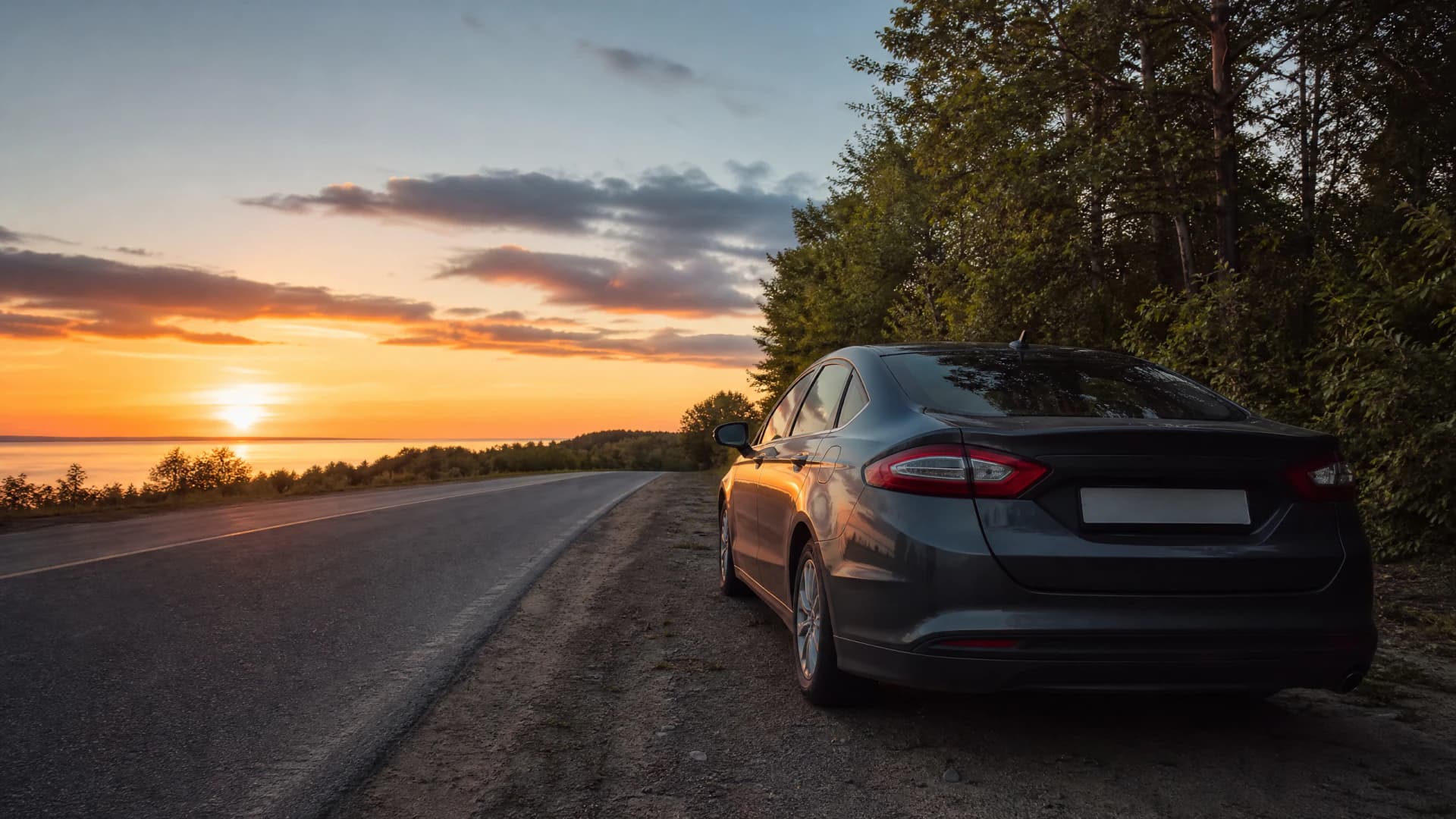
The multi-car discount applies to the total policy premium after each vehicle is priced individually — it does not reduce the per-vehicle baseline before combination.





How Adding a Vehicle Mid-Term Changes Your Premium
When you add a vehicle to an existing Alabama policy mid-term, the carrier re-rates the entire policy from the date the new vehicle is added. You do not simply pay a prorated amount for the new car — the multi-car discount recalculates based on the new vehicle count, and the premium for every vehicle on the policy can shift. Some carriers increase the discount when you add a second or third vehicle; others hold the discount percentage constant but apply it to a higher base premium.
Most Alabama carriers provide a grace period — typically 14 to 30 days — during which a newly purchased or newly titled vehicle is covered under your existing policy without formal notification. After that window, the vehicle must be added to the policy or it loses coverage. Missing the grace period means the new vehicle is uninsured, and if you file a claim during the gap, the carrier can deny it. The grace period does not freeze your premium — once you formally add the vehicle, the carrier backdates the re-rate to the acquisition date and bills the difference.
If the newly added vehicle is titled to a household member not currently listed on the policy, some carriers require that person to be added as a driver before the multi-car discount applies. A car titled to your adult child living at the same address may not qualify for the same-policy discount if your child is not a named driver on your policy. Clarify the titling and driver-assignment rules with your carrier before assuming the discount will apply automatically.
27 carriers
Auto Insurance Carriers Writing in Alabama
Alabama has 27 carriers actively writing auto insurance, spanning preferred-tier, standard-tier, and non-standard markets. Comparing quotes across multiple carriers is the most reliable way to find competitive multi-car rates, because discount structures and underwriting models vary widely.
Alabama Department of Insurance carrier licensing data
Full Coverage Versus Minimum Coverage on a Multi-Car Policy
Alabama does not define "full coverage" by statute — the term describes a policy that includes liability, collision, and comprehensive on every vehicle. When you insure multiple vehicles, you can mix coverage levels — full coverage on the primary vehicle, minimum coverage on a rarely driven second car — but the multi-car discount applies to the combined premium regardless of the coverage mix.
Collision and comprehensive premiums depend on each vehicle's actual cash value and the deductible you choose. A $500 deductible costs more than a $1,000 deductible, and the difference multiplies across the vehicle count. If you carry full coverage on three vehicles with $500 deductibles, switching all three to $1,000 deductibles lowers the total premium, and the multi-car discount applies to the new lower base. Carriers do not require identical deductibles across all vehicles on a multi-car policy — you can choose a $500 deductible on one car and a $1,000 deductible on another.
Compare Carriers That Write Multi-Car Policies in Alabama
The most effective way to lower multi-car insurance cost in Alabama is to compare quotes from multiple carriers writing in your county. Carriers weight vehicle count, driver history, garaging location, and coverage selections differently, and the carrier offering the lowest rate for a single vehicle may not offer the best multi-car discount. Request quotes from at least three carriers — one preferred-tier, one standard-tier, and one non-standard if your household includes a high-risk driver — and compare the total policy premium, not just the per-vehicle breakdown.
When comparing quotes, confirm that every vehicle is listed with the correct garaging address, that every household driver is assigned to the appropriate vehicle, and that the coverage limits match across quotes. A quote with a lower premium but higher deductibles or lower liability limits is not a direct comparison. Alabama's state minimum liability requirements are the floor, but many households carry higher limits to protect assets — compare quotes at the same liability limits to see which carrier offers the most competitive multi-car rate for your actual coverage needs.
What Drives Premium Differences Across Alabama Carriers
Alabama has 27 carriers writing auto insurance in the state, including standard-tier carriers like State Farm, Geico, Progressive, Allstate, and Nationwide, and non-standard carriers like Acceptance, Bristol West, Dairyland, Direct Auto, GAINSCO, and The General. Standard-tier carriers typically offer the largest multi-car discounts but require clean driving records and good credit. Non-standard carriers write policies for drivers with violations or lapses but often apply smaller multi-car discounts or structure them differently — some non-standard carriers reduce the discount when a household includes a high-risk driver, even if the other drivers are clean.
Garaging location matters. Alabama's vehicle theft rate is 179.9 per 100,000 population, and carriers adjust premiums based on county-level theft and accident data. A household in Jefferson County with three vehicles garaged at the same address will see a different multi-car premium than the same household in Baldwin County, even with identical coverage and driver profiles. Carriers also weight vehicle type — insuring a sedan, a truck, and an SUV on one policy produces a different discount structure than three sedans, because repair costs and theft risk vary by vehicle class.
Get Your Free Quote
Get My Alabama Car Insurance QuoteFrequently Asked Questions
Does Alabama require the same liability limits on every vehicle in a multi-car policy?
Yes. Alabama requires $25,000 bodily injury per person, $50,000 bodily injury per accident, and $25,000 property damage on every registered vehicle. When you insure multiple vehicles on one policy, each vehicle must meet these minimums independently — the state does not reduce the per-vehicle requirement when you add more cars.
How does adding a second vehicle to my Alabama policy change my premium?
Adding a second vehicle triggers a full policy re-rate from the date the vehicle is added. The carrier recalculates the multi-car discount based on the new vehicle count, and the premium for every vehicle on the policy can shift. You do not pay a simple prorated amount for the new car — the entire policy premium adjusts.
Can I carry full coverage on one vehicle and minimum coverage on another in Alabama?
Yes. Alabama allows you to mix coverage levels across vehicles on the same policy. You can carry liability, collision, and comprehensive on your primary vehicle and liability-only minimum coverage on a rarely driven second car. The multi-car discount applies to the combined premium regardless of the coverage mix.
Do all Alabama carriers offer the same multi-car discount?
No. Multi-car discount structures vary widely by carrier. Some carriers offer larger discounts when you add a second or third vehicle; others hold the discount percentage constant but apply it to a higher base premium. Comparing quotes from multiple carriers is the most reliable way to find the best multi-car rate for your household.
What happens if I add a vehicle titled to a household member not on my policy?
Some Alabama carriers require the vehicle's titled owner to be added as a named driver on your policy before the multi-car discount applies. A car titled to your adult child living at the same address may not qualify for the same-policy discount if your child is not listed as a driver. Confirm the titling and driver-assignment rules with your carrier before assuming the discount will apply.