
Average Cost of Car Insurance — Alabama
Free to compare
What Alabama Drivers Actually Pay
You're trying to figure out what car insurance costs in Alabama, and you need a number that applies to your household's actual situation — not a single-driver average that doesn't account for the two, three, or four vehicles you're insuring on one policy. The state sets a minimum liability floor of $25,000 per person for bodily injury, $50,000 per accident, and $25,000 for property damage. Meeting that floor is the starting point, but what you pay depends on how many vehicles sit on your policy, whether you carry full coverage or minimum liability, and how your household's driving history looks to carriers.
Most households insuring multiple vehicles find that the total premium doesn't scale linearly — adding a second car doesn't simply double the cost of the first, and adding a third doesn't triple it. Carriers re-rate the entire policy when you add or remove a vehicle, applying the multi-car discount and recalculating risk across the whole household. That structural reality makes it impossible to predict your cost by multiplying a single-car figure by the number of vehicles you own.
“Adding a second car doesn't double your premium — the entire policy re-rates, applying the multi-car discount and recalculating risk across every vehicle.”

See What Alabama Drivers Pay for the Coverage They Need
Get My Alabama Car Insurance Quote$25,000/$50,000/$25,000
Alabama Minimum Liability
Alabama requires every driver to carry at least $25,000 bodily injury per person, $50,000 bodily injury per accident, and $25,000 property damage. This is the legal floor — many households carrying multiple vehicles choose higher limits to protect household assets.
Alabama Code §32-7-6
How Multi-Vehicle Policies Change the Cost Structure
When you add a second vehicle to an existing policy, the carrier doesn't just append a flat amount to your current premium. The entire policy gets re-rated. The multi-car discount applies, which lowers the per-vehicle cost, but the carrier also recalculates risk based on the combined profile of every vehicle and every driver in the household. A household with two sedans driven by adults over 30 will see a different re-rating outcome than a household adding a sports car driven by a 19-year-old.
The multi-car discount typically requires every vehicle to sit on the same policy and share a garaging address. If you own three cars but one is titled to a household member on a separate policy, that vehicle won't count toward the same-policy discount. Carriers writing Alabama multi-vehicle policies include State Farm, GEICO, Progressive, Allstate, Farmers, Nationwide, and Liberty Mutual, among others. Each applies the discount differently, and each carrier's base rate varies enough that a smaller discount on a lower base rate can beat a larger discount on a higher one.
Combining two existing policies after marriage or a household move usually lowers the combined premium, but not always. If one spouse carries a clean record and the other has recent violations, the combined policy may cost more than keeping them separate. The carrier re-rates based on the riskiest driver and the combined vehicle profile, and the multi-car discount may not offset the added risk.
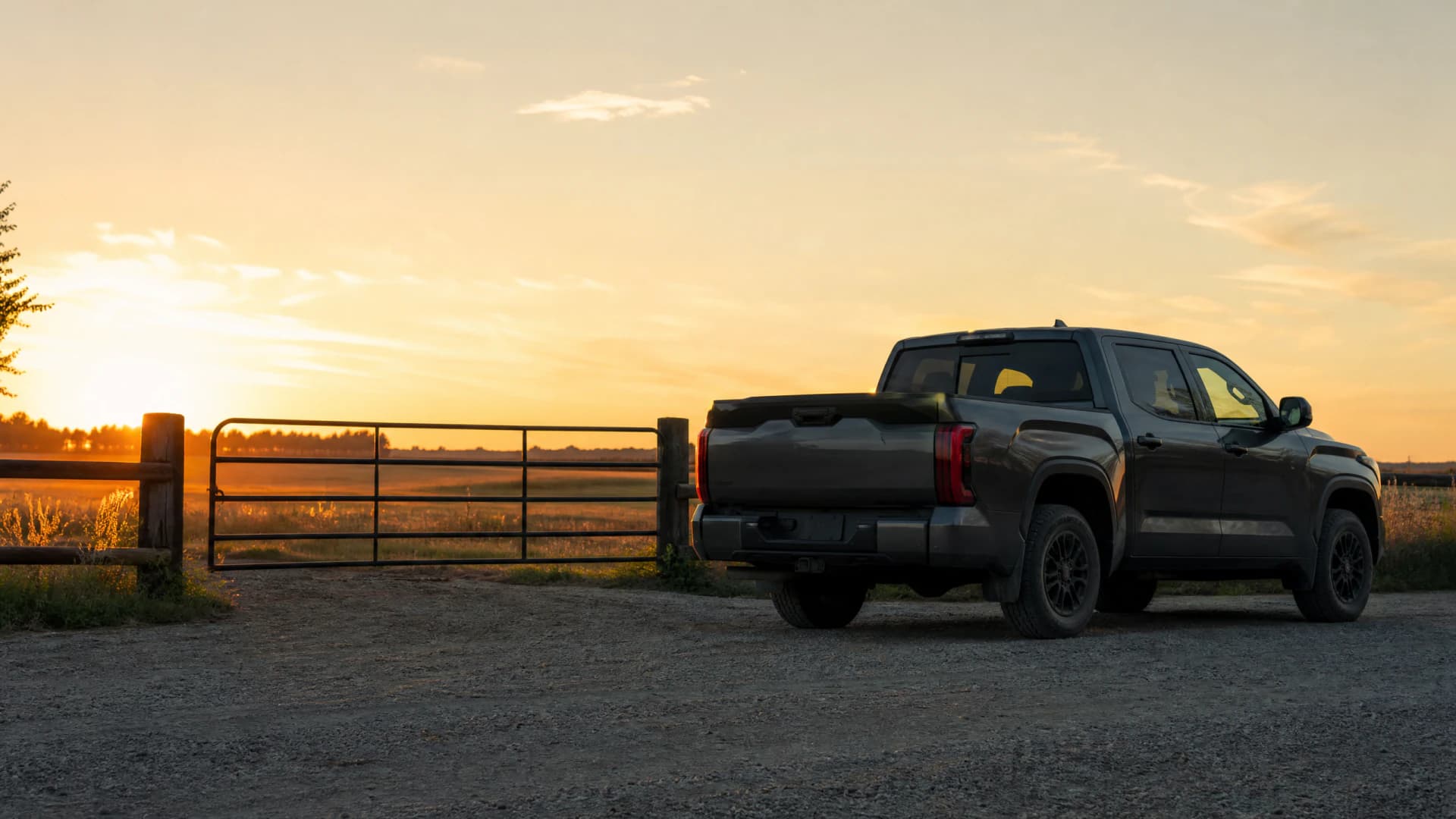
Adding a vehicle mid-term re-rates your entire policy, not just the new car. The multi-car discount applies, but so does the combined risk profile of every vehicle and driver.





Minimum Coverage Versus Full Coverage for Multiple Vehicles
Alabama's minimum liability requirement — $25,000/$50,000/$25,000 — covers damage you cause to others, not damage to your own vehicles. If you carry only minimum liability and your car is totaled in an at-fault accident, you pay to replace it yourself. For a household insuring multiple vehicles, the decision to carry full coverage or minimum liability on each car depends on each vehicle's value and whether it's financed.
Full coverage adds collision and comprehensive to the liability minimum. Collision covers damage to your vehicle in an accident regardless of fault; comprehensive covers theft, vandalism, weather damage, and animal strikes. Lenders require full coverage on financed vehicles. For vehicles you own outright, the conventional threshold is whether the vehicle's value exceeds ten times the annual cost of collision and comprehensive coverage. Below that threshold, many households drop full coverage and self-insure the vehicle's replacement cost.
A household with four vehicles may carry full coverage on two and liability-only on the other two. The multi-car discount applies to the entire policy, but the total premium reflects the combined coverage structure. Dropping collision and comprehensive on two older vehicles can lower the total premium significantly while still meeting the state's liability requirement on all four cars.
16.8%
Alabama Uninsured Motorist Rate
Nearly one in six Alabama drivers operates without insurance, one of the highest uninsured rates in the country. This increases the likelihood of an uninsured-motorist claim and drives up premiums for insured households, especially those carrying uninsured motorist coverage.
Insurance Research Council, 2023

How Carriers Price Multi-Vehicle Policies in Alabama
Carriers writing Alabama multi-vehicle policies include State Farm, GEICO, Progressive, Allstate, Farmers, Nationwide, Liberty Mutual, Travelers, USAA (for military-affiliated households), and several non-standard carriers including Acceptance Insurance, Bristol West, Dairyland, Direct Auto, GAINSCO, National General, The General, and Root. Each carrier applies its own base rate and its own version of the multi-car discount, and the spread between the highest and lowest quote for the same household can be substantial.
Non-standard carriers — Acceptance, Bristol West, Dairyland, Direct Auto, GAINSCO, The General — typically write households with recent violations, suspended licenses, or lapses in coverage. If your household includes a driver with a DUI conviction or multiple at-fault accidents, a non-standard carrier may be the only option, and the premium will reflect that risk tier. Standard carriers — State Farm, GEICO, Progressive, Allstate — write households with clean or near-clean records and offer lower base rates and larger multi-car discounts.
Compare Carriers Writing Your Household's Vehicle Count
The only way to know what your household will pay is to compare quotes from carriers writing Alabama multi-vehicle policies. The state minimum liability requirement is fixed, but the premium you pay to meet it varies by carrier, by vehicle count, by coverage structure, and by your household's combined driving history. A household with three vehicles, two drivers over 40, and clean records will see different quotes than a household with three vehicles, four drivers including a teenager, and one recent at-fault accident.
Start by confirming every vehicle you want on the policy is titled to someone in the household and garaged at the same address — most carriers require both for the multi-car discount to apply. Then compare quotes from at least three carriers in different tiers: one preferred carrier (State Farm, USAA, Amica), one standard carrier (GEICO, Progressive, Allstate), and one non-standard carrier if your household includes a driver with violations (Acceptance, Bristol West, Dairyland). The carrier offering the lowest quote for a single vehicle may not offer the lowest quote for three vehicles, because the multi-car discount structure varies.
What Drives Cost Differences Across Alabama Households
Your household's combined driving history matters more than any single driver's record. A household with one DUI conviction, one at-fault accident in the past three years, and three clean drivers will pay more than a household with four clean records, even if the vehicles are identical. Carriers look at the riskiest driver and the combined claims history across the entire policy. Alabama's 16.8% uninsured motorist rate — one of the highest in the country — also pushes premiums up, because carriers price in the likelihood of an uninsured-motorist claim.
Vehicle type, age, and value determine whether you carry liability only or add collision and comprehensive. A household with two financed vehicles and one older car may carry full coverage on the financed cars and liability-only on the third. Each structure produces a different total premium, and the multi-car discount applies to the combined policy regardless of which vehicles carry full coverage.
Get Your Free Quote
Get My Alabama Car Insurance QuoteFrequently Asked Questions
How much does car insurance cost for two cars in Alabama?
The cost depends on the vehicles, the drivers, and the coverage structure you choose. Alabama requires $25,000/$50,000/$25,000 minimum liability on both cars. Carriers re-rate the entire policy when you add a second vehicle, applying the multi-car discount and recalculating risk based on both vehicles and all household drivers. Compare quotes from carriers writing Alabama multi-vehicle policies to see what your household will pay.
Does insuring multiple cars on one policy save money in Alabama?
Yes, in most cases. The multi-car discount lowers the per-vehicle cost when every vehicle sits on the same policy and shares a garaging address. The discount structure varies by carrier, and the total premium reflects the combined risk profile of every vehicle and driver on the policy. A household with clean records and multiple vehicles typically pays less on one combined policy than on separate policies.
What is Alabama's minimum car insurance requirement?
Alabama requires $25,000 bodily injury per person, $50,000 bodily injury per accident, and $25,000 property damage. This is the legal minimum for every vehicle you register and drive in the state. Many households carrying multiple vehicles choose higher limits to protect household assets in the event of a serious at-fault accident.
Can I insure three cars on one policy in Alabama?
Yes. Most carriers writing Alabama multi-vehicle policies allow you to insure three or more vehicles on one policy as long as every vehicle is titled to someone in the household and garaged at the same address. The multi-car discount applies to the entire policy, and the premium reflects the combined coverage structure across all three vehicles.
Do I need full coverage on every car in Alabama?
No. Alabama requires only minimum liability on every vehicle. Full coverage — which adds collision and comprehensive — is required by lenders on financed vehicles but optional on vehicles you own outright. Many households carry full coverage on newer or financed vehicles and liability-only on older vehicles worth less than the cost of replacing them.
How does adding a teenage driver affect my multi-car policy cost in Alabama?
Adding a teenage driver re-rates the entire policy. Carriers price based on the riskiest driver in the household, and teenage drivers are statistically the highest-risk group. The multi-car discount still applies, but the total premium will increase significantly. Some households see the premium double or more when adding a teen driver to a multi-vehicle policy.
What carriers write multi-vehicle policies in Alabama?
State Farm, GEICO, Progressive, Allstate, Farmers, Nationwide, Liberty Mutual, and Travelers all write Alabama multi-vehicle policies for households with clean or near-clean records. Non-standard carriers including Acceptance Insurance, Bristol West, Dairyland, Direct Auto, GAINSCO, The General, and Root write households with recent violations or suspended licenses. Each carrier applies its own base rate and multi-car discount structure.