
Car Insurance Costs Per Month — Alabama
Free to compare
What You Actually Pay for Multiple Vehicles in Alabama
You just added a second car to your household and expected the premium to increase by a flat amount per vehicle. Instead, your carrier re-rated the entire policy, the multi-car discount applied differently than you anticipated, and the total monthly cost landed higher or lower than you calculated. Alabama requires $25,000 per person, $50,000 per accident in bodily injury liability, and $25,000 in property damage liability for every vehicle you insure. When you add a vehicle mid-term, the carrier recalculates the policy from scratch rather than simply tacking on a per-car charge.
The multi-car discount reduces the per-vehicle rate when you insure two or more cars on the same policy, but the discount percentage varies by carrier, and the base rate each carrier applies before the discount determines whether you save money. A smaller discount on a lower base rate often beats a larger discount on a higher one. This article walks through how Alabama's minimum liability requirements apply across multiple vehicles, what drives the monthly cost when you add or remove a car, and how to structure coverage so the multi-car discount actually lowers your total spend.
“A smaller discount on a lower base rate often beats a larger discount on a higher one.”

See What Alabama Drivers Pay for the Coverage They Need
Get My Alabama Car Insurance Quote$25,000/$50,000/$25,000
Alabama Minimum Liability
Every vehicle you register in Alabama must carry at least $25,000 bodily injury per person, $50,000 bodily injury per accident, and $25,000 property damage liability. These minimums apply to each car on your policy, and adding a vehicle means the new car must meet the same floor.
Alabama Department of Public Safety
How the Multi-Car Discount Actually Works in Alabama
The multi-car discount applies when you insure two or more vehicles on the same policy with the same carrier. The discount is a percentage reduction on the per-vehicle premium, not a flat dollar amount subtracted from the total. Carriers writing Alabama multi-car policies include State Farm, GEICO, Progressive, Allstate, Farmers, and Nationwide. Each carrier calculates the discount differently: some apply it to liability only, others to the full premium including comprehensive and collision.
The discount does not apply automatically when you add a vehicle titled to someone outside your household or garaged at a different address. Most carriers require every vehicle on the policy to share the same garaging address and be titled to a member of the same household. If your teenager's car is titled in their name but garaged at your address, it typically qualifies. If a roommate's car is garaged at your address but titled to them, it may not.
Adding a vehicle mid-term triggers a policy re-rate. The carrier recalculates the premium for every car on the policy, applies the multi-car discount to the new total, and prorates the difference to your renewal date. The increase you see is not just the new car's cost: it reflects the re-rated premium for all vehicles, minus the multi-car discount applied to the expanded policy. This is why the monthly increase can be lower or higher than you expected based on a per-vehicle estimate.
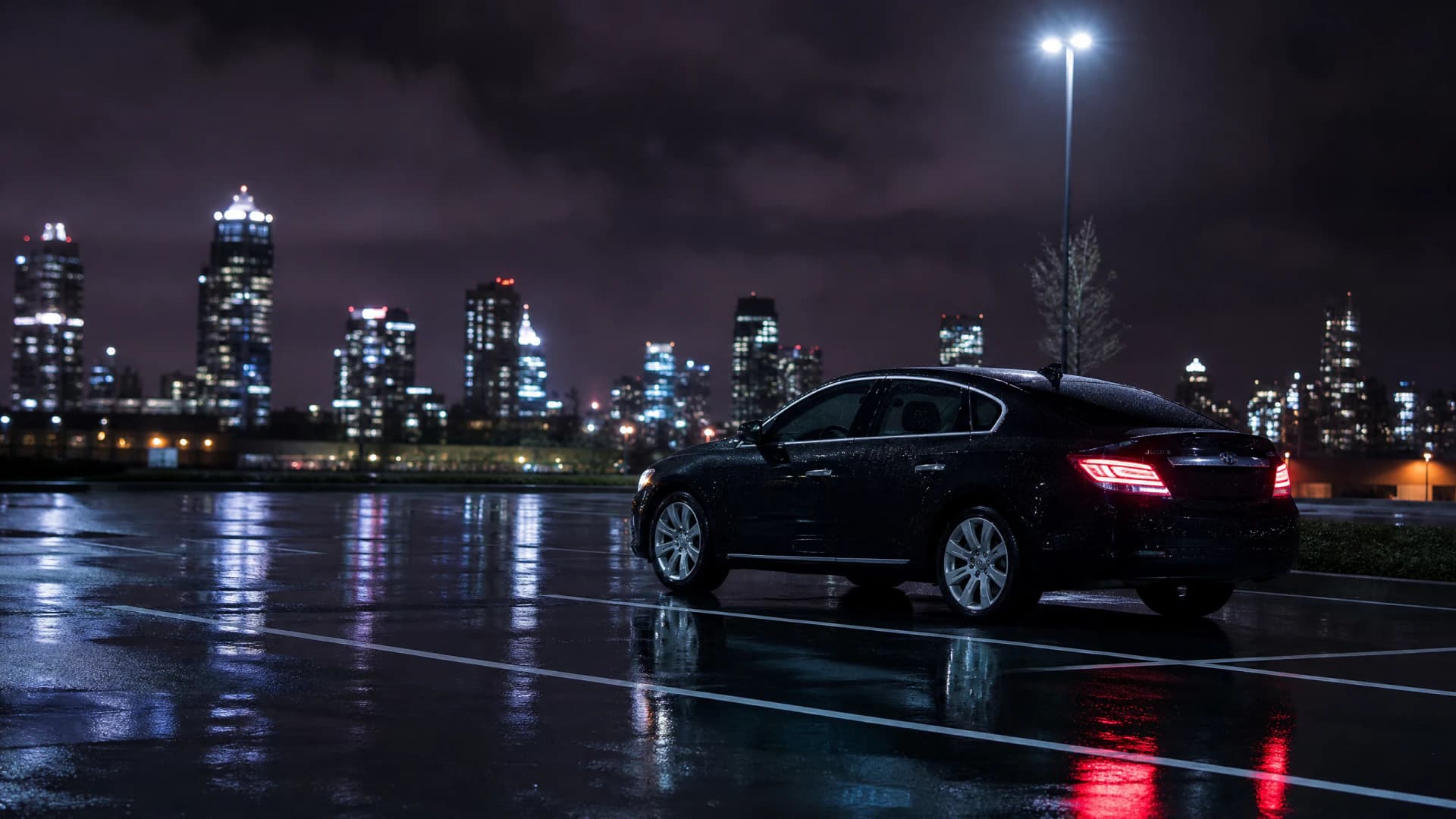
The multi-car discount applies to the policy structure, not per vehicle. Adding a third car re-rates all three, and the total can shift more than the new car's standalone cost.



One Policy or Separate Policies for Multiple Vehicles
Combining two or more vehicles on one policy almost always costs less per vehicle than maintaining separate policies, because the multi-car discount reduces the per-vehicle rate and the carrier applies a single policy fee instead of multiple fees. If you and your spouse each have a separate policy and you combine them, the total monthly cost typically drops, but not always. If one spouse has a recent at-fault accident or DUI, the combined policy may cost more than keeping the high-risk driver on a separate policy with a non-standard carrier.
Separate policies make sense when one household member drives a high-risk vehicle or has a driving record that would raise the shared rate above the cost of two policies. For example, if you own two standard sedans and your household member owns a sports car with a high theft rate, insuring the sports car separately may lower your total spend. Compare the combined-policy quote against the sum of two separate quotes before deciding.
Alabama does not require household members to share one policy, but most carriers offer the multi-car discount only when every vehicle sits on the same policy. If you keep separate policies, you lose the discount. When you combine policies, the carrier applies the multi-car discount to the total premium, and the per-vehicle cost drops. The decision hinges on whether the discount outweighs the rate increase from combining a high-risk driver or vehicle.
16.8%
Alabama Uninsured Motorist Rate
Roughly one in six Alabama drivers operates without insurance. Uninsured motorist coverage protects you when an at-fault driver cannot pay for damage they cause. Alabama does not mandate uninsured motorist coverage, but adding it to a multi-car policy costs less per vehicle than buying it separately for each car.
Insurance Research Council, 2023

Adding or Removing a Vehicle Mid-Term
When you add a vehicle to an existing Alabama policy, the carrier gives you a grace period to report the new car before coverage lapses. Most carriers provide 14 to 30 days of automatic coverage for a newly purchased or leased vehicle, but the grace period applies only if you already insure at least one vehicle with that carrier. After the grace period, an unreported vehicle is not covered, and a claim on that car will be denied. Report the new vehicle within the grace period to avoid a coverage gap.
The carrier re-rates the policy when you add the vehicle. The new monthly premium reflects the cost of insuring all vehicles on the policy, with the multi-car discount applied to the total. The increase is prorated to your renewal date, so you pay the difference between the old premium and the new premium for the remaining months in your term. If you add a vehicle one month before renewal, you pay one month of the increased premium. If you add it six months before renewal, you pay six months.
Removing a vehicle mid-term also triggers a re-rate. If you sell a car or total it in an accident, notify your carrier immediately. The carrier recalculates the premium for the remaining vehicles, applies the multi-car discount to the smaller policy, and refunds the prorated difference. The per-vehicle cost may increase slightly after removing a car, because the multi-car discount often increases with the number of vehicles on the policy. A three-car policy typically earns a larger discount than a two-car policy.
Comparing Carriers for Multi-Vehicle Households in Alabama
Alabama households insuring two or more vehicles should compare quotes from at least three carriers, because the multi-car discount percentage and the base rate vary widely. State Farm, GEICO, Progressive, Allstate, Farmers, and Nationwide all write multi-car policies in Alabama. Each carrier applies a different discount structure: some reduce the per-vehicle rate by a fixed percentage, others tier the discount by vehicle count, and a few apply the discount only to specific coverage types.
Request quotes that specify the multi-car discount amount and the per-vehicle breakdown. Some carriers show the discount as a line item on the quote; others build it into the per-vehicle rate without separating it. Ask the agent or online tool to clarify how the discount applies and whether it increases if you add a third or fourth vehicle. The carrier with the lowest two-car rate may not have the lowest three-car rate, because discount structures differ.
Next Step: Compare Multi-Car Quotes in Alabama
You now understand how Alabama's $25,000/$50,000/$25,000 minimum liability applies across multiple vehicles, how the multi-car discount reduces per-vehicle cost when you combine policies, and what drives the monthly premium when you add or remove a car. The next step is to request quotes from carriers writing Alabama multi-car policies and compare the total monthly cost with the multi-car discount applied. Use the site's comparison tool to request quotes from State Farm, GEICO, Progressive, Allstate, Farmers, and Nationwide, and evaluate whether combining your household's vehicles on one policy lowers your total spend or whether separate policies make sense for your situation.
What Drives Monthly Cost for Two or More Vehicles
Coverage level is the largest cost driver. Alabama's minimum liability ($25,000/$50,000/$25,000) costs less per vehicle than full coverage, which adds comprehensive and collision with a deductible. If you insure two vehicles and one carries minimum liability while the other carries full coverage, the full-coverage car drives most of the premium. Carriers price comprehensive and collision based on the vehicle's value, age, and theft risk. A newer financed vehicle requires full coverage; an older paid-off car may not.
Driver profile affects the rate for every vehicle on the policy. If you add a teenage driver to a multi-car policy, the carrier re-rates every vehicle to account for the higher-risk driver, even if the teen only drives one car. Alabama does not restrict the multi-car discount based on driver age, but the base rate increases when a young or high-risk driver joins the policy. Combining two adults' vehicles on one policy typically lowers the per-vehicle rate compared to two separate policies, unless one driver has a recent violation that raises the shared rate above the separate-policy total.
Get Your Free Quote
Get My Alabama Car Insurance QuoteFrequently Asked Questions
Does Alabama require the same liability limits for every vehicle on a multi-car policy?
Yes. Alabama requires every registered vehicle to carry at least $25,000 per person, $50,000 per accident in bodily injury liability, and $25,000 in property damage liability. When you insure multiple vehicles on one policy, each car must meet the same minimum limits, though you can choose higher limits for individual vehicles.
Can I insure two cars on one policy if they are garaged at different addresses in Alabama?
Most carriers require every vehicle on a multi-car policy to share the same garaging address. If one car is garaged at a different address, the carrier may require separate policies or deny the multi-car discount. Some carriers allow different garaging addresses within the same household if you provide proof of the relationship and explain the arrangement.
How much does the multi-car discount save on an Alabama policy?
The multi-car discount percentage varies by carrier and is not disclosed in the injected data for Alabama. The discount applies to the per-vehicle rate when you insure two or more cars on the same policy. Request quotes from multiple carriers to compare the total monthly cost with the discount applied, rather than relying on a generic savings percentage.
What happens to my Alabama multi-car policy if I sell one of the vehicles?
When you sell or total a vehicle, notify your carrier immediately. The carrier re-rates the policy for the remaining vehicles, applies the multi-car discount to the smaller policy, and refunds the prorated difference. The per-vehicle cost may increase slightly, because the discount often scales with the number of vehicles on the policy.
Do I need SR-22 filing to insure multiple vehicles in Alabama?
SR-22 filing is required only for drivers reinstating a suspended license or holding a hardship license after certain violations. If you insure multiple vehicles and do not have a suspension or hardship license, you do not need SR-22. If one household member requires SR-22, the filing applies to that driver's record, not to every vehicle on the policy.