
Multi-Car Insurance Savings — Alabama
Free to compare
When Adding a Second Vehicle Doesn't Trigger the Discount
You bought a second car, added it to your household, and expected the multi-car discount to apply automatically. Instead, your carrier quoted the new vehicle at full price or denied the discount outright. The structural reality: the multi-car discount requires every vehicle to sit on the same policy, under the same named insured, garaged at the same address. A car titled to a spouse on a separate policy, a vehicle registered at a different address, or a household member maintaining their own coverage does not count toward your multi-vehicle discount eligibility.
Alabama does not mandate multi-car discounts by statute. Carriers offer them as underwriting products, and each carrier sets its own same-policy and same-household requirements. Most require every vehicle to appear on one policy declaration page, share a primary garaging address, and list the same named insured or co-insured household members. When those conditions are not met, the discount does not apply, even if both vehicles belong to the same household and both policies are with the same carrier.
“A second vehicle titled to a household member on a different policy does not count toward your multi-car discount, even with the same carrier.”
See What Alabama Drivers Pay for the Coverage They Need
Get My Alabama Car Insurance Quote$25,000/$50,000/$25,000
Alabama Minimum Liability Per Vehicle
Alabama requires $25,000 bodily injury per person, $50,000 bodily injury per accident, and $25,000 property damage per vehicle. Every car on your policy must meet or exceed these minimums independently. Adding a vehicle does not pool limits across cars.
Alabama Code §32-7-6
What Same-Policy Structure Actually Means
Same-policy structure means one policy declaration page listing every vehicle, every driver in the household, and one renewal date. It does not mean two policies with the same carrier. A household with one spouse insuring two cars under Policy A and the other spouse insuring one car under Policy B holds two separate policies, even if both are underwritten by the same company. The multi-car discount applies only within a single policy.
Garaging address matters. Most carriers require every vehicle on the policy to be garaged at the same primary address. A car registered to your home address but garaged at a college campus 200 miles away, or a vehicle titled to a household member who moved to a different county, may disqualify the entire policy from multi-car discount eligibility. Carriers verify garaging location at renewal and during claims. A mismatch between the declared garaging address and the actual overnight parking location can void coverage at claim time.
Household composition drives eligibility. Alabama carriers define household as residents of the same address who share financial responsibility for the vehicles. An adult child living at home with their own car typically belongs on the family policy. A roommate who owns a separate vehicle and pays separate rent does not. Carriers require every household member with a driver's license to be listed on the policy, either as a named insured, a rated driver, or an excluded driver. Failing to disclose a licensed household member is grounds for rescission.

A second vehicle titled to a household member on a different policy does not count toward your multi-car discount, even with the same carrier.



When Combining Policies Costs More Than Keeping Them Separate
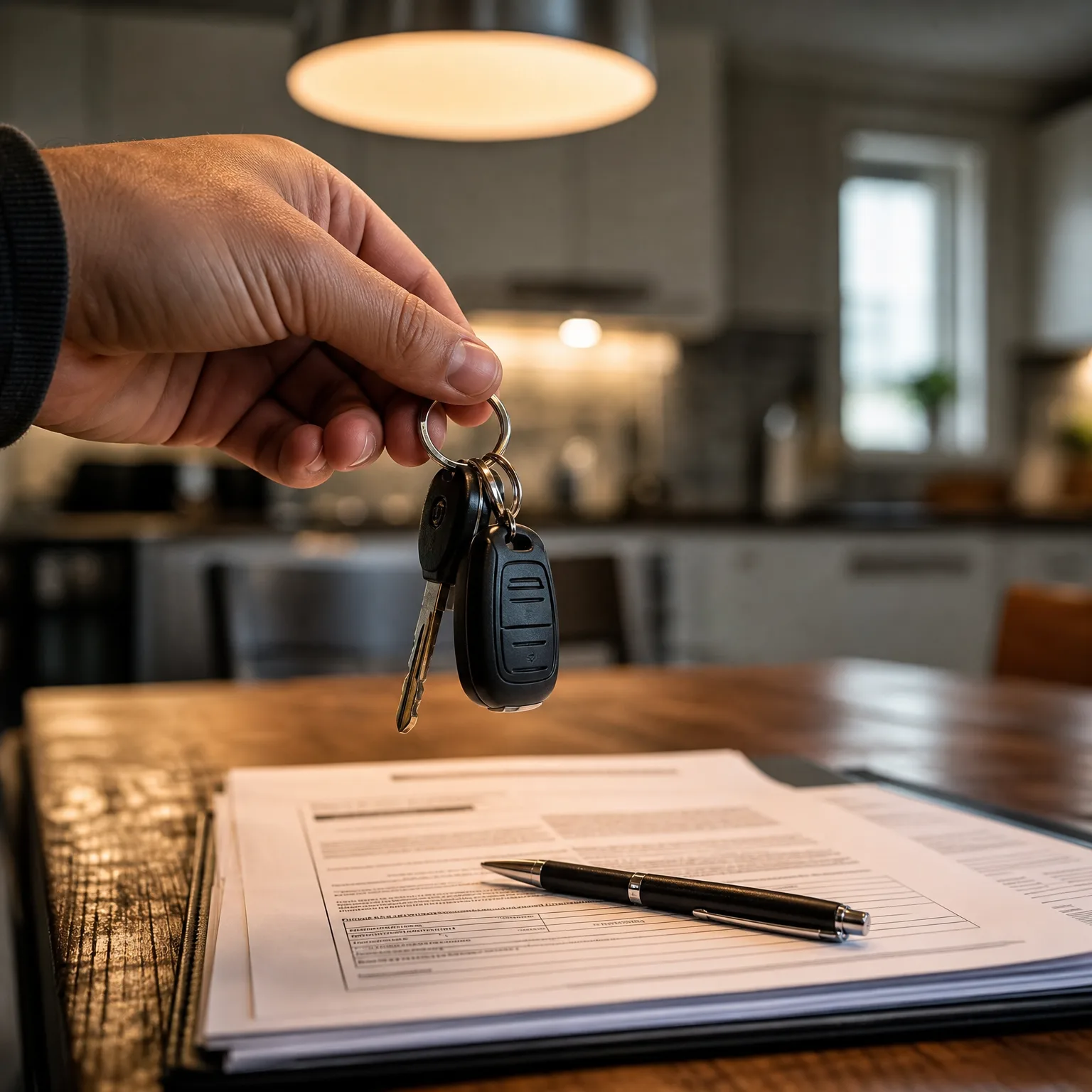
Combining two policies does not always lower the total premium. A household with one preferred-tier driver and one high-risk driver may pay more on a combined policy than on two separate policies, because the high-risk driver's rate pulls the entire policy into a higher rating tier. Carriers rate the policy based on the highest-risk driver in the household. If one spouse has a clean record and the other has a recent DUI, the combined policy will be rated at the non-standard tier, and the multi-car discount may not offset the rate increase from the higher base premium.
Run both scenarios before consolidating. Request a quote for a combined policy with all vehicles and all drivers listed. Compare the combined premium to the sum of your current separate premiums. If the combined premium is higher, evaluate whether the administrative simplicity of one policy justifies the cost, or whether maintaining separate policies makes financial sense. Some carriers offer a household discount for multiple policies under the same household, even if the policies are not combined. Ask your carrier whether that option exists.
Newly married couples face this decision frequently. One spouse may have been insured at a preferred rate for years, while the other carries points, a violation, or a lapse. Combining policies immediately after marriage can double the preferred spouse's premium. In Alabama, carriers cannot refuse to quote a combined policy, but they can rate it accurately based on the household's actual risk profile. The decision to combine or maintain separate policies is financial, not regulatory.
16.8%
Alabama Uninsured Motorist Rate
16.8% of Alabama motorists drive uninsured. Adding uninsured motorist coverage to a multi-car policy protects every vehicle and every household member under one limit, without requiring separate UM coverage on each car.
Insurance Research Council, 2023
Coverage Decisions That Affect Multi-Car Premiums
Liability limits apply per vehicle, not per policy. Alabama's $25,000/$50,000/$25,000 minimum applies to each car independently.
Collision and comprehensive coverage are priced per vehicle based on the vehicle's actual cash value, age, and theft risk. Dropping collision on an older vehicle with low market value lowers the premium for that car without affecting the multi-car discount. A household with a new financed vehicle and a 15-year-old paid-off car can carry full coverage on the financed vehicle and liability-only on the older one, all on the same policy. The multi-car discount applies to the liability portion of both vehicles' premiums.
Uninsured motorist coverage is optional in Alabama but recommended given the 16.8% uninsured rate. UM coverage on a multi-car policy can be structured as a single stacked limit covering all household members and all vehicles, or as separate per-vehicle limits. Stacked UM coverage costs more but provides higher total limits. Non-stacked UM applies the per-person and per-accident limits to each vehicle independently. Discuss both options with your carrier before binding coverage.
Which Alabama Carriers Write Multi-Car Policies
Twenty-four carriers write auto insurance in Alabama, and most offer multi-car discounts with varying same-policy and same-household requirements. Alabama car insurance requirements apply equally to single-car and multi-car policies. State Farm, Allstate, Progressive, and Geico write the majority of multi-car policies in the state and quote online. Each uses a different rating algorithm, so a household that receives a high quote from one carrier may receive a significantly lower quote from another, even with identical coverage and vehicle details.
Non-standard carriers including Acceptance Insurance, Bristol West, Dairyland, Direct Auto, GAINSCO, and The General write multi-car policies for households with violations, lapses, or non-standard risk profiles. These carriers typically offer smaller multi-car discounts than preferred-tier carriers but provide coverage when standard carriers decline. If one household member has a DUI or suspended license, a non-standard carrier may be the only option for a combined policy. Compare at least three carriers in each tier before selecting coverage.

Compare Carriers That Write Your Household's Vehicles
Request quotes from at least three carriers, providing identical vehicle information, driver details, coverage selections, and garaging addresses to each. Ask each carrier to confirm in writing that the multi-car discount applies to your household structure and that every vehicle qualifies. Verify the garaging address requirement, the household member disclosure requirement, and whether the carrier allows different garaging addresses within the same county. Bind coverage only after confirming the discount applies and the premium reflects it. Alabama does not regulate multi-car discount amounts or eligibility, so carrier-to-carrier variation is significant. The lowest base rate does not always produce the lowest total premium after discounts.
How to Structure Coverage Across Multiple Vehicles
Consolidate every household vehicle onto one policy. Contact your current carrier and request a policy amendment adding the second vehicle, or request a full re-quote combining all household vehicles under one policy number. Provide the VIN, title information, and garaging address for each vehicle. The carrier will re-rate the entire policy, applying the multi-car discount to every vehicle once all are listed on the same declaration page. If your spouse or household member currently holds a separate policy, request cancellation of that policy effective the date the combined policy binds. Do not cancel the old policy before the new one is active, or you will create a coverage gap.
Verify garaging address accuracy for every vehicle. The garaging address is the location where the vehicle is parked overnight most of the time, not the registration address or your mailing address. If a vehicle is garaged at a different address than your primary residence, disclose that to the carrier. Some carriers allow different garaging addresses within the same county and still apply the multi-car discount. Others do not. Misrepresenting garaging location to preserve the discount is material misrepresentation and voids coverage.
Get Your Free Quote
Get My Alabama Car Insurance QuoteFrequently Asked Questions
Does Alabama require a multi-car discount?
No. Alabama does not mandate multi-car discounts by statute. Carriers offer them as underwriting products and set their own eligibility requirements, including same-policy structure, same garaging address, and household member disclosure rules.
Can I get a multi-car discount if my spouse has a separate policy?
No. The multi-car discount requires every vehicle to appear on the same policy declaration page. Two policies with the same carrier do not qualify, even if both are in the same household. You must consolidate both vehicles onto one policy to receive the discount.
What happens if I add a vehicle mid-term?
Adding a vehicle mid-term re-rates the entire policy, not just the new car. The carrier recalculates the premium for all vehicles based on the new household risk profile and applies the multi-car discount to every vehicle. You will receive a revised premium and a new declaration page.
Do I need the same coverage on every vehicle?
No. Alabama allows different coverage levels on different vehicles within the same policy. You can carry full coverage on a financed vehicle and liability-only on an older paid-off car, and the multi-car discount still applies to both.
Can I insure a car garaged at a different address?
It depends on the carrier. Some Alabama carriers allow different garaging addresses within the same county and still apply the multi-car discount. Others require every vehicle to be garaged at the same address. Disclose the actual garaging location to your carrier before binding coverage.
What if one household member has a DUI?
Combining policies with a high-risk driver raises the entire policy's base rate. The multi-car discount may not offset the rate increase. Request quotes for both a combined policy and separate policies, then compare total premiums to determine which structure costs less.
How much does a multi-car discount save in Alabama?
Discount amounts vary by carrier and are not regulated by Alabama. Carriers do not publish discount percentages. The only way to determine your household's actual savings is to request quotes with and without the second vehicle and compare the per-vehicle premium.