
Auto Insurance Rates in Alabama — Multi-Car Households
Free to compare
The Multi-Car Policy Decision in Alabama
You own two or more vehicles in Alabama and need to decide whether to insure them on one shared policy or keep them on separate policies. The multi-car discount is advertised by most carriers, but the discount applies only when every vehicle sits on the same policy and typically when they share a garaging address. If one vehicle is titled to a household member on a different policy, or if a car is garaged at a second address, the discount may not apply even though the vehicles belong to the same household.
Alabama requires minimum liability coverage of $25,000 per person for bodily injury, $50,000 per accident for bodily injury, and $25,000 for property damage. Every vehicle you register must meet these minimums. When you insure multiple vehicles, the question is not whether to carry liability — that is mandatory — but how to structure the policies so the combined premium reflects the household's actual risk and qualifies for available discounts.
“The multi-car discount applies only when every vehicle sits on the same policy and shares a garaging address.”

See What Alabama Drivers Pay for the Coverage They Need
Get My Alabama Car Insurance Quote$1,081.24
Alabama Annual Auto Expenditure Per Vehicle
The average annual auto insurance expenditure per insured vehicle in Alabama was $1,081.24 in 2023. This figure reflects single-vehicle policies and does not account for multi-car discounts, which lower the per-vehicle cost when multiple cars are insured on one policy.
NAIC Auto Insurance Database Report 2023
How the Multi-Car Discount Actually Works
The multi-car discount is not automatic. It requires every vehicle to sit on the same policy, issued to the same policyholder, and in most cases garaged at the same address. If you and your spouse each have a separate policy, combining them into one policy typically qualifies for the discount. If your teenager drives a car titled in their name but lives at your address, that car can usually be added to your policy and qualify. If a household member owns a car titled in their name and keeps a separate policy, that car does not qualify for your multi-car discount even if they live with you.
The discount applies to the total premium, not to each vehicle individually. A carrier calculates the base premium for each vehicle — factoring in the driver, the car, and the coverage levels — then applies the multi-car discount to the combined total. The per-vehicle cost drops, but the discount percentage varies by carrier. Some carriers offer a larger discount on a higher base rate; others offer a smaller discount on a lower base rate. The only way to know which structure costs less is to compare quotes with every vehicle listed on the same policy application.
Alabama law does not mandate the multi-car discount. It is a carrier pricing decision. Every carrier writing in Alabama structures the discount differently, and some carriers do not offer it at all. The carriers listed in the data block above include both standard-tier and non-standard-tier options. Standard-tier carriers typically offer the multi-car discount; non-standard-tier carriers may not, or may offer a smaller discount because their base rates already reflect high-risk pricing.

The multi-car discount vanishes if one vehicle moves to a separate policy mid-term. Adding or removing a vehicle re-rates the entire policy, not just the new car.
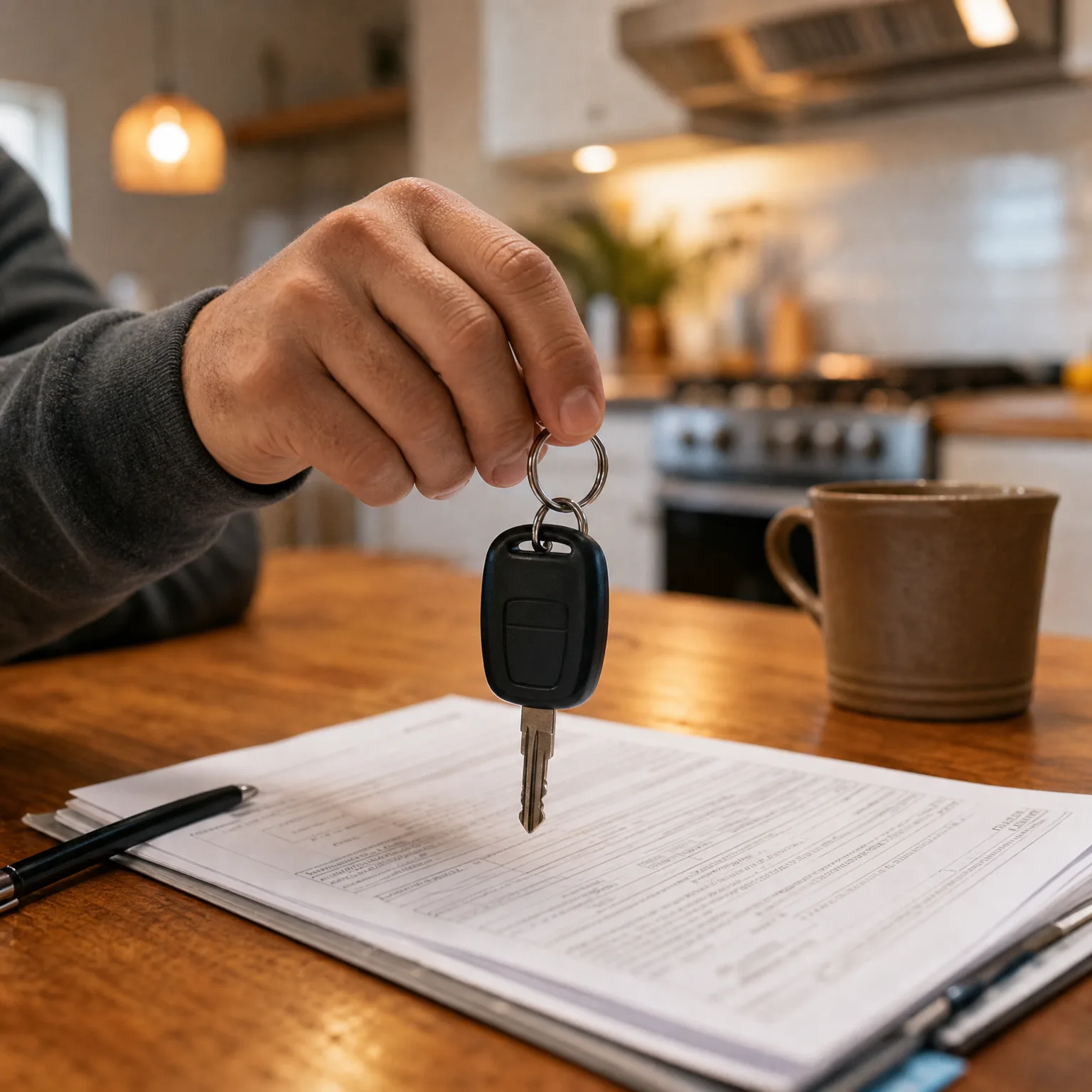



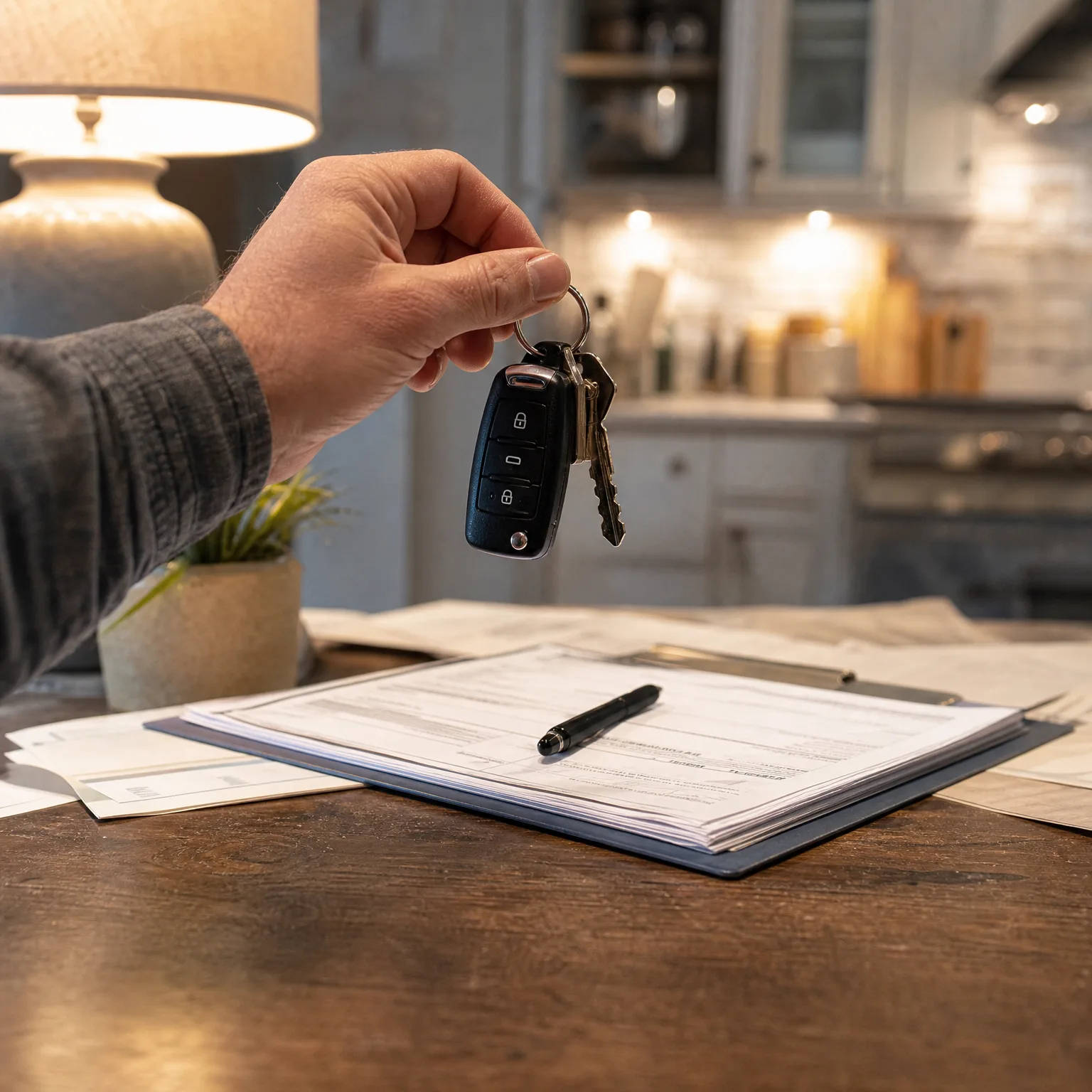


What Happens When You Add or Remove a Vehicle
Adding a vehicle mid-term triggers a policy re-rating. The carrier calculates the premium for the new car, adds it to the existing policy, and recalculates the multi-car discount across all vehicles. The total premium increases, but the per-vehicle cost typically drops because the discount now applies to more cars. Alabama carriers provide a grace period — typically 14 to 30 days — during which a newly purchased vehicle is covered under the existing policy without formal notification. After the grace period, the carrier requires the vehicle to be added officially. If the car is not added and a claim occurs, the carrier may deny coverage for that vehicle.
Removing a vehicle works the same way in reverse. The carrier recalculates the premium for the remaining vehicles and adjusts the multi-car discount. If only one vehicle remains, the discount disappears entirely and the policy reverts to single-vehicle pricing. If two or more vehicles remain, the discount continues but at a recalculated rate. The timing matters: if you sell a car mid-term and do not notify the carrier, you continue paying for coverage on a vehicle you no longer own. The carrier does not refund premiums automatically; you must request the removal and the prorated refund.
Failure modes: a household buys a third car, assumes it is covered under the existing two-car policy, and does not notify the carrier within the grace period. A claim occurs on the third car after the grace period expires. The carrier denies the claim because the vehicle was never added to the policy. Another failure mode: a household removes a car from the policy, the multi-car discount recalculates, and the per-vehicle cost for the remaining cars increases more than expected because the discount percentage dropped when the vehicle count fell.
16.8%
Alabama Uninsured Motorist Rate
In 2023, 16.8% of Alabama motorists were uninsured. Households with multiple vehicles face higher exposure to uninsured drivers because more cars mean more miles driven and more claim opportunities. Uninsured motorist coverage is optional in Alabama but protects your household when an at-fault driver has no insurance.
Insurance Research Council 2023
Comparing Carriers for Multi-Vehicle Households
Alabama has 26 carriers writing auto insurance in the state, including standard-tier, preferred-tier, and non-standard-tier options. Not every carrier offers the multi-car discount, and among those that do, the discount structure varies. Some carriers apply a percentage discount to the total premium; others reduce the base rate for each additional vehicle. The only way to identify the lowest total cost is to compare quotes with every vehicle listed on the same application. A carrier with a lower base rate and no multi-car discount can beat a carrier with a higher base rate and a large discount, depending on the household's specific vehicles and drivers.
Standard-tier carriers writing in Alabama include Allstate, Geico, Progressive, State Farm, and Travelers. Preferred-tier carriers include Amica and Auto-Owners. Non-standard-tier carriers include Acceptance Insurance, Bristol West, Dairyland, Direct Auto, GAINSCO, and The General. Non-standard carriers typically serve high-risk drivers or households with violations, but they also write multi-vehicle policies. If your household includes a driver with a DUI, points, or a suspended license, a non-standard carrier may offer the only available multi-car policy, and the total cost may still be lower than separate single-vehicle policies from standard carriers.
Next Step: Compare Multi-Vehicle Quotes
List every vehicle you want to insure, confirm the garaging address for each car, and identify the primary driver for each vehicle. Apply for quotes with at least three carriers, listing all vehicles on the same application. The quote will show the total premium and the per-vehicle breakdown. Compare the total cost, not the per-vehicle cost, because the multi-car discount applies to the combined premium. If one vehicle does not qualify for the same-policy discount because of a title or garaging issue, run a second set of quotes with that vehicle on a separate policy and compare the combined cost of both structures.
Policy Structure: One Policy or Separate Policies
One shared policy works when every vehicle is titled to the same person or to household members living at the same address, and when every car is garaged at that address. This structure qualifies for the multi-car discount and simplifies renewals, claims, and coverage changes. When you add a vehicle mid-term, the carrier re-rates the entire policy to reflect the new car and adjusts the discount. When you remove a vehicle, the discount recalculates based on the remaining cars. The total premium changes, but the discount remains in place as long as at least two vehicles stay on the policy.
Separate policies make sense when a household member owns a car titled in their name and maintains a separate residence, or when a vehicle is garaged at a second address that does not match the primary policyholder's address. In these cases, the multi-car discount does not apply because the same-policy and garaging requirements are not met. Some households keep separate policies after marriage or when an adult child moves back home, not realizing that combining the policies would lower the total cost. The structural blocker is not the household relationship — it is the policy structure and the garaging address.
Get Your Free Quote
Get My Alabama Car Insurance QuoteFrequently Asked Questions
Does Alabama require the same liability limits for every vehicle on a multi-car policy?
Yes. Alabama requires every registered vehicle to carry minimum liability coverage of $25,000 per person for bodily injury, $50,000 per accident, and $25,000 for property damage. When multiple vehicles are on one policy, each vehicle must meet these minimums. You can choose higher limits, but every car must meet at least the state minimum.
Can I add my teenager's car to my policy if the car is titled in their name?
Yes, if the teenager lives at your address and the car is garaged there. Most carriers allow a vehicle titled to a household member to be added to the primary policyholder's policy as long as the household member resides at the same address. The multi-car discount applies when the vehicle meets the same-policy and garaging requirements.
What happens to the multi-car discount if I remove one vehicle mid-term?
The carrier recalculates the discount based on the remaining vehicles. If two or more vehicles remain, the discount continues but at a recalculated rate. If only one vehicle remains, the discount disappears and the policy reverts to single-vehicle pricing. You must notify the carrier to remove the vehicle and request a prorated refund.
Do all Alabama carriers offer a multi-car discount?
No. The multi-car discount is a carrier pricing decision, not a state requirement. Standard-tier carriers typically offer it; non-standard-tier carriers may not, or may offer a smaller discount. The only way to know is to compare quotes with every vehicle listed on the same application.
Can I insure vehicles garaged at two different addresses on one policy?
It depends on the carrier. Most carriers require every vehicle on a multi-car policy to be garaged at the same address to qualify for the discount. If one vehicle is garaged at a second address, the carrier may allow it on the policy but exclude it from the discount, or require a separate policy for that vehicle.
How long do I have to add a newly purchased vehicle to my existing policy?
Alabama carriers typically provide a 14- to 30-day grace period during which a newly purchased vehicle is covered under the existing policy without formal notification. After the grace period, the carrier requires the vehicle to be added officially. If the car is not added and a claim occurs after the grace period, the carrier may deny coverage.