
Uninsured Motorist Coverage — Alabama
Free to compare
Alabama Leaves Uninsured Motorist Coverage Optional
You are adding a second vehicle to your Alabama policy, and the carrier asks whether you want uninsured motorist coverage on the new car. Your first vehicle carries it. Your second does not need to. Alabama law does not require UM coverage on any vehicle, and you are trying to understand whether skipping it on one car while keeping it on another creates a problem.
The structural reality: Alabama requires only liability insurance — $25,000 per person, $50,000 per accident for bodily injury, and $25,000 for property damage. Uninsured motorist coverage is optional. Carriers must offer it, but you can decline it in writing. The decision is per vehicle, not per household, and that creates a coverage gap most drivers do not anticipate until a claim is denied.
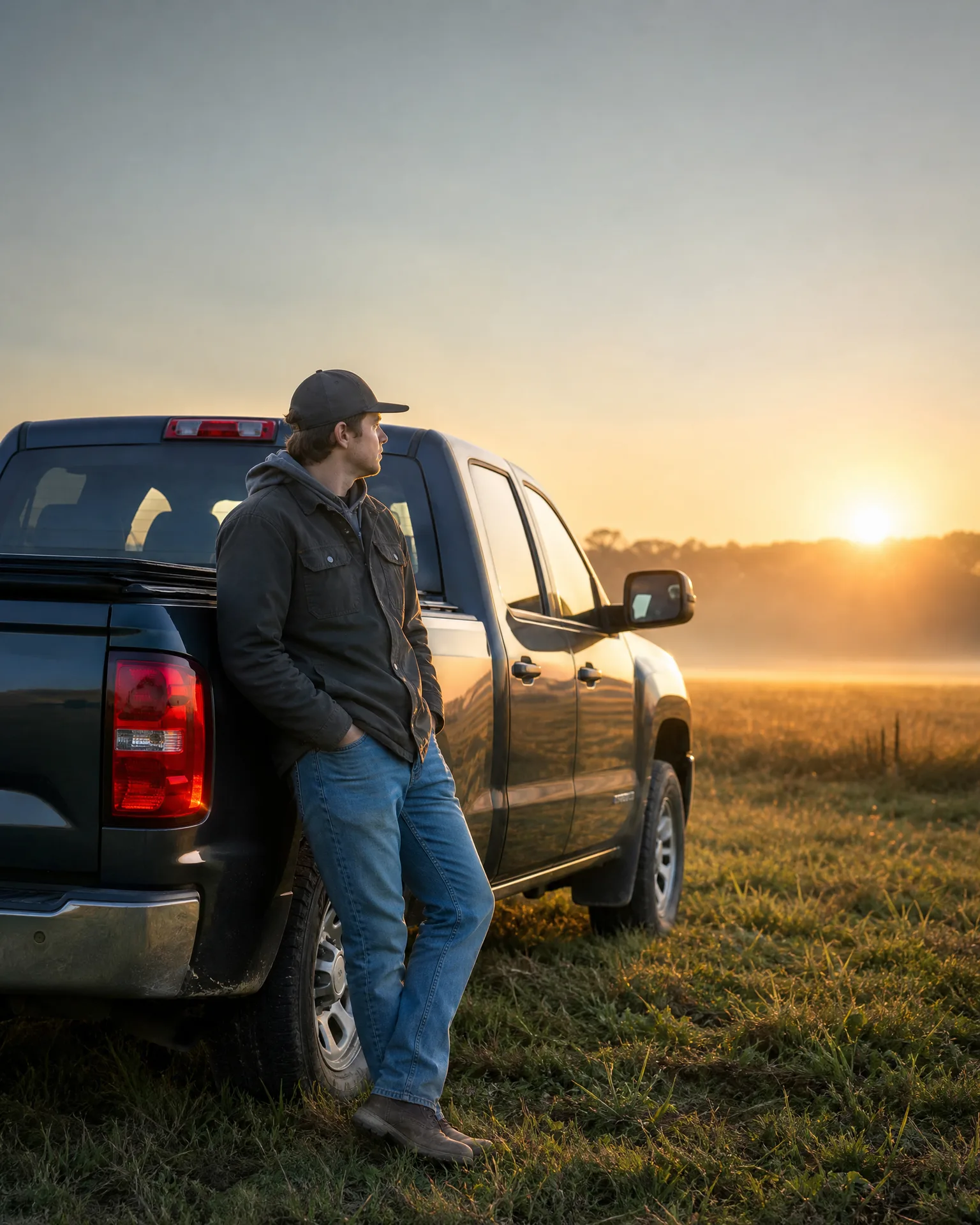
“UM coverage follows the vehicle, not the driver — declining it on one car leaves every occupant of that car exposed.”
See What Alabama Drivers Pay for the Coverage They Need
Get My Alabama Car Insurance Quote16.8%
Alabama Uninsured Motorist Rate
One in six drivers on Alabama roads carries no insurance. When an uninsured driver hits you, your own UM coverage pays your medical bills and lost wages if you carried it on the vehicle you were in at the time of the crash.
Insurance Information Institute, 2023
Uninsured Motorist Coverage Follows the Vehicle, Not the Driver
UM coverage is vehicle-specific. If you carry it on your sedan but not your SUV, and an uninsured driver rear-ends the SUV, your UM coverage does not apply. You are in the wrong vehicle. The coverage you paid for on the sedan does nothing for you in the SUV.
This matters in multi-vehicle households because family members drive different cars on different days. Your teenager takes the sedan to school. You drive the SUV to work. An uninsured driver T-bones the SUV at an intersection. If the SUV does not carry UM coverage, you pay your own medical bills out of pocket, even though you have been paying for UM coverage on the sedan for years.
Carriers do not automatically apply UM coverage across every vehicle on a multi-car policy. You select it per vehicle when you add the car or at renewal. If you decline it on one vehicle to lower the premium, that vehicle's occupants are unprotected.
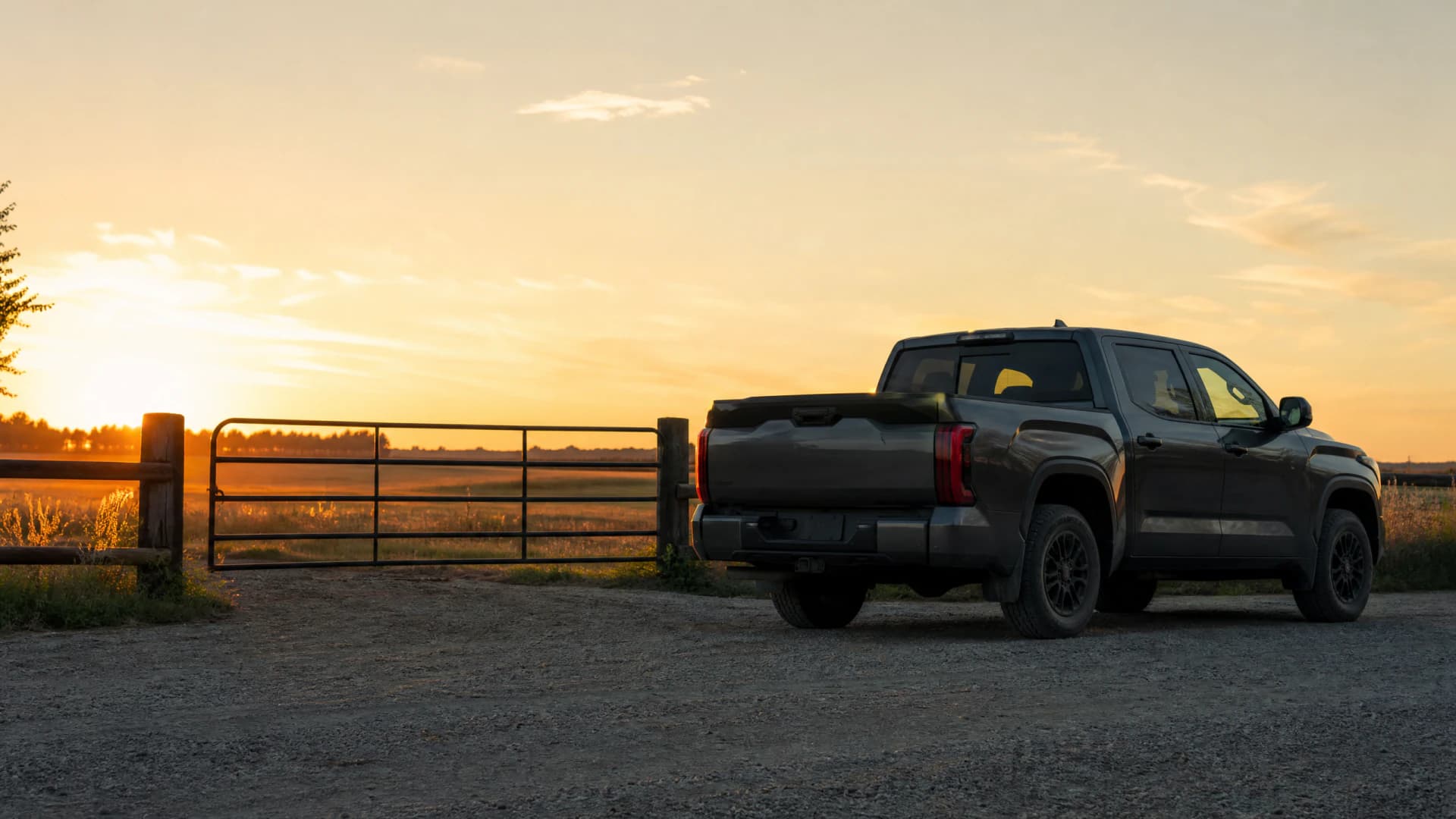
Declining UM on one vehicle to save money leaves every occupant of that car exposed when an uninsured driver causes a crash, regardless of UM coverage on other household vehicles.
Related Articles



Stacking and Non-Stacking UM Coverage in Alabama
Alabama allows stacking of UM coverage when you insure multiple vehicles. Stacking means you add the UM limits from each vehicle together to create a larger pool of coverage.
Stacking costs more. Carriers charge a higher premium for stacked UM coverage because the total available coverage is higher. Non-stacked UM coverage is cheaper but limits you to the per-person and per-accident amounts on the specific vehicle you were in at the time of the crash. If you were in the vehicle with the lowest UM limits, that is all you get.
Most Alabama carriers offer both stacked and non-stacked UM as options at the time you add coverage. The choice applies to all vehicles on the policy. You cannot stack UM on one vehicle and leave it non-stacked on another. The decision is policy-wide, and it affects every vehicle you add going forward.
$25,000 / $50,000
Alabama Minimum Liability Limits
Alabama requires $25,000 per person and $50,000 per accident in bodily injury liability, plus $25,000 in property damage liability. UM coverage is optional, but when you buy it, most carriers allow you to match or exceed these liability minimums.
Alabama Department of Public Safety
Underinsured Motorist Coverage Fills the Gap Above Minimum Limits
Underinsured motorist coverage (UIM) works alongside UM coverage. UIM pays when the at-fault driver carries liability insurance, but their limits are too low to cover your medical bills and lost wages. Alabama does not require UIM coverage, and carriers typically bundle it with UM as a combined election.
Their liability policy pays its $25,000 limit.
UIM coverage is particularly important in Alabama because the state's minimum liability limits are low relative to medical costs. A serious crash easily exceeds $25,000 per person. UIM coverage gives you a second layer of protection when the at-fault driver's liability insurance runs out.
Compare Carriers That Write Multi-Vehicle Policies in Alabama
Not every carrier offers stacked UM coverage, and premium differences for UM and UIM vary widely across the Alabama market. When you are structuring coverage for multiple vehicles, compare quotes from carriers that write multi-car policies and offer both stacked and non-stacked UM options. Acceptance Insurance, Bristol West, Dairyland, Direct Auto, Farmers, GAINSCO, Geico, National General, Progressive, The General, and USAA all write multi-vehicle policies in Alabama and offer UM coverage as an optional add-on. State Farm and Allstate write UM coverage but do not publicly confirm stacking availability; ask the agent directly.
Request quotes with and without UM coverage on each vehicle, and request separate quotes for stacked and non-stacked UM if the carrier offers both. The premium difference tells you what the protection costs. Compare that cost against the 16.8% uninsured motorist rate and your household's medical cost exposure if an uninsured driver causes a serious crash.
How Uninsured Motorist Coverage Works Across Multiple Vehicles
When you add a vehicle mid-term, the carrier asks whether you want UM coverage on the new car. The default is not automatic carryover from your existing vehicles. If you skip the question or decline to save premium, the new vehicle has no UM protection. An uninsured driver hits that car three months later, and your claim is denied because the vehicle was not covered.
UM coverage pays medical bills, lost wages, and pain and suffering up to the per-person and per-accident limits you selected. Alabama allows you to carry UM limits equal to or lower than your liability limits. Most households choose UM limits that match their liability coverage: $25,000 per person and $50,000 per accident. Higher limits cost more but provide more protection when an uninsured driver causes serious injuries.
Get Your Free Quote
Get My Alabama Car Insurance QuoteFrequently Asked Questions
Does Alabama require uninsured motorist coverage?
No. Alabama does not require uninsured motorist coverage. Carriers must offer it, but you can decline it in writing. The state requires only liability insurance: $25,000 per person, $50,000 per accident for bodily injury, and $25,000 for property damage.
What happens if I decline UM coverage on one vehicle but keep it on another?
The vehicle without UM coverage has no protection if an uninsured driver causes a crash. UM coverage is vehicle-specific. If you are in the unprotected vehicle when the crash occurs, your UM coverage on other household vehicles does not apply.
Can I stack uninsured motorist coverage across multiple vehicles in Alabama?
Yes. Alabama allows stacking of UM coverage when you insure multiple vehicles. Stacking adds the UM limits from each vehicle together, creating a larger pool of coverage. Stacked UM costs more but provides higher total protection regardless of which vehicle you were in at the time of the crash.
What is the difference between uninsured and underinsured motorist coverage?
Uninsured motorist coverage pays when the at-fault driver has no insurance. Underinsured motorist coverage pays when the at-fault driver carries liability insurance, but their limits are too low to cover your medical bills and lost wages. Alabama carriers typically bundle UM and UIM as a combined optional coverage.
How much does uninsured motorist coverage cost in Alabama?
Premium varies by carrier, coverage limits, whether you choose stacked or non-stacked UM, and the number of vehicles on your policy. Request quotes with and without UM coverage on each vehicle to see the cost difference. Compare that cost against Alabama's 16.8% uninsured motorist rate.
Do I need UM coverage if I already have health insurance?
Health insurance covers medical bills, but it does not cover lost wages, pain and suffering, or out-of-pocket costs your health plan does not pay. UM coverage fills those gaps when an uninsured driver causes a crash. It also pays without the deductibles and copays your health insurance requires.