
Best Cheap Car Insurance Companies — Alabama
Free to compare
Finding Affordable Multi-Car Coverage in Alabama
You own two or more vehicles, you need to insure them all on one Alabama policy, and you want the lowest premium that still protects your household if something goes wrong. The challenge: Alabama's $25,000 per person, $50,000 per accident, $25,000 property damage minimum liability limits are among the lowest in the country, and 16.8% of Alabama drivers carry no insurance at all. A cheap policy that meets only the state minimum leaves you exposed when an uninsured driver hits your car or when medical bills exceed $25,000.
The carriers writing multi-car policies in Alabama fall into three tiers: preferred carriers that require clean records and offer the lowest base rates, standard carriers that write most households and balance price with flexibility, and non-standard carriers that write drivers with violations or lapses but charge higher premiums. The best cheap carrier for your household depends on how many vehicles you're insuring, whether every driver has a clean record, and whether you're willing to carry only the state minimum or add uninsured-motorist coverage to fill the gap the state minimum leaves open.
“Alabama's 16.8% uninsured-motorist rate means nearly one in six drivers carries no insurance—multi-car households face triple the exposure.”

See What Alabama Drivers Pay for the Coverage They Need
Get My Alabama Car Insurance Quote16.8%
Alabama Uninsured Motorists
Nearly one in six Alabama drivers carries no insurance. When an uninsured driver causes an accident, your liability-only policy pays nothing for your own vehicle damage or medical bills unless you add uninsured-motorist coverage.
Insurance Information Institute, 2023
Alabama Minimum Liability Limits and What They Actually Cover
Alabama requires $25,000 bodily injury liability per person, $50,000 per accident, and $25,000 property damage liability. These limits apply to damage you cause to others, not to your own vehicles or injuries. If you hit another car and injure two people, your policy pays up to $25,000 for the first person's medical bills, up to $50,000 total for both, and up to $25,000 for the other driver's vehicle damage. Anything beyond those limits comes out of your assets.
The structural problem for multi-vehicle households: $25,000 per person does not cover a serious injury. Emergency-room treatment, surgery, and follow-up care routinely exceed that threshold. When you're insuring multiple cars, the risk multiplies—more vehicles mean more drivers, more trips, and more exposure. A household with three cars and three drivers faces three times the chance of a claim that exceeds the minimum limits. The cheapest premium that meets only the state minimum may cost you far more in the long run if a single accident wipes out your savings.
Most carriers writing multi-car policies in Alabama offer higher liability limits at a modest premium increase.
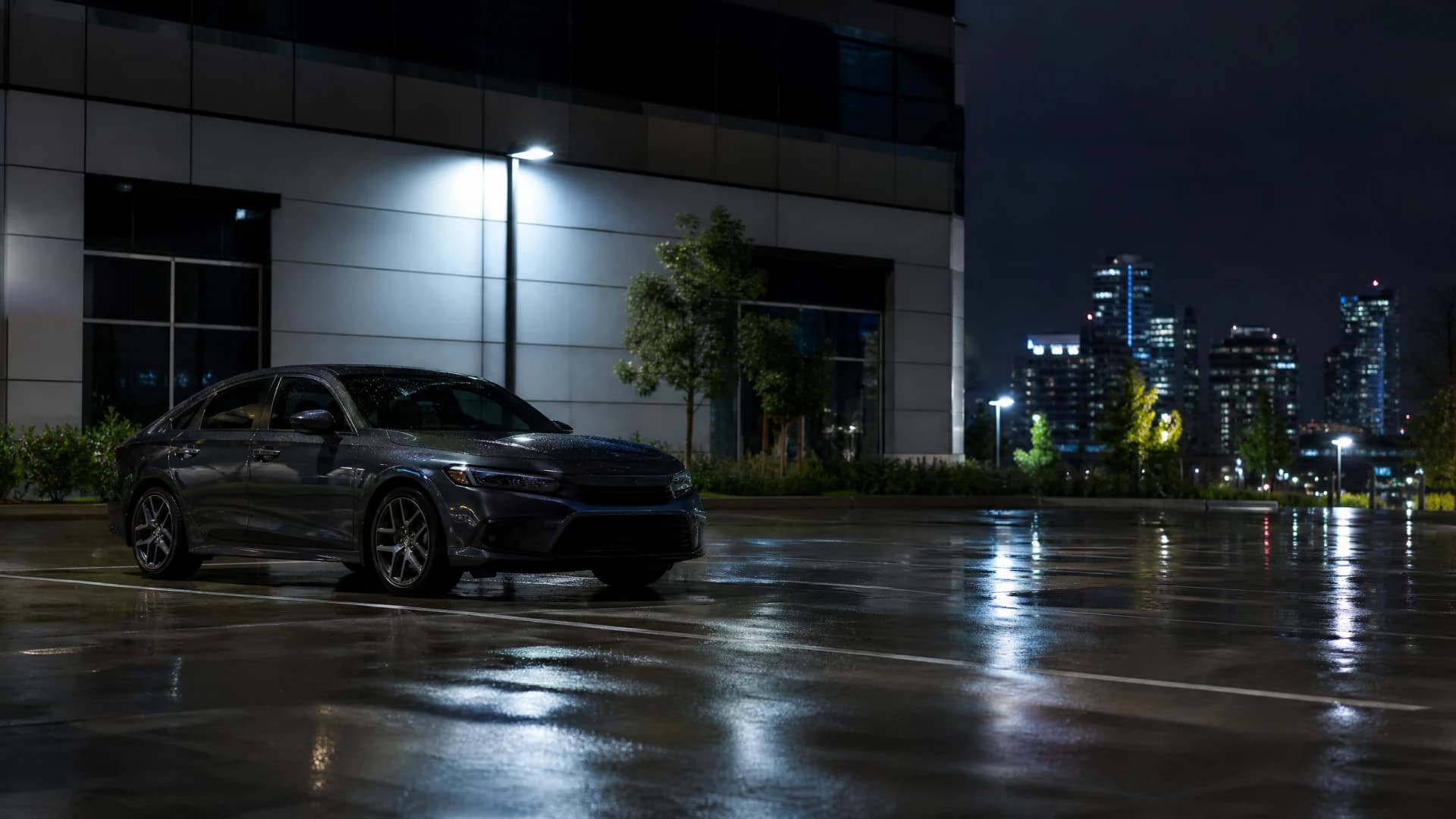
The cheapest Alabama policy that meets only the $25,000/$50,000/$25,000 minimum leaves your household exposed to uninsured drivers and serious-injury claims that exceed the limits.
Related Articles


How the Multi-Car Discount Works and What It Requires
The multi-car discount applies when you insure two or more vehicles on the same policy with the same carrier. Most Alabama carriers require every vehicle to be garaged at the same address and titled to a household member listed on the policy. If your teenager's car is titled to them but garaged at your address, it typically qualifies. If a roommate's car is titled to them and they're not a household member, it does not.
The discount structure varies by carrier. Some carriers reduce the premium for the second vehicle by a fixed percentage; others reduce the base rate for all vehicles once you add a second car. A few carriers tier the discount—the second car gets a smaller reduction than the third. When comparing quotes, ask each carrier how they calculate the multi-car discount and whether the discount applies to the base premium or only to certain coverage components. A carrier that discounts only liability may cost more overall than a carrier that discounts the entire policy.
Adding a vehicle mid-term re-rates the entire policy, not just the new car. If you buy a third vehicle in June and your policy renews in December, the carrier recalculates the premium for all three cars based on the new household risk profile. This can trigger a larger premium increase than you expect if the new vehicle is a high-theft model or if the new driver has a recent violation. Before adding a vehicle, ask your carrier for a re-rate estimate so you know the total cost, not just the incremental cost of the new car.
$25,000 / $50,000 / $25,000
Alabama Minimum Liability Limits
Alabama requires $25,000 bodily injury per person, $50,000 per accident, and $25,000 property damage. These are the lowest limits you can carry and still register a vehicle, but they do not cover your own vehicle damage or injuries.
Alabama Department of Public Safety

Uninsured-Motorist Coverage and Why Multi-Car Households Need It
Alabama does not require uninsured-motorist coverage, but carriers must offer it and you must decline it in writing if you choose not to buy it. Uninsured-motorist bodily injury coverage pays your medical bills and lost wages when an uninsured driver hits you and causes injuries. Uninsured-motorist property damage coverage pays for your vehicle damage when an uninsured driver hits your car and has no assets to cover the loss.
With 16.8% of Alabama drivers uninsured, the odds of being hit by an uninsured driver are nearly one in six. A household with three cars makes three times as many trips as a household with one car, and the exposure multiplies accordingly. If an uninsured driver totals your car and you carry only liability coverage, you pay for the replacement yourself. If you carry uninsured-motorist property damage coverage, your policy pays for the loss minus your deductible, and your carrier pursues the at-fault driver for reimbursement.
Uninsured-motorist coverage costs less than collision coverage because it only pays when the other driver is uninsured and at fault. For multi-car households insuring older vehicles that do not justify collision coverage, uninsured-motorist property damage coverage fills the gap between liability-only and full coverage at a fraction of the cost. When comparing carriers, ask for quotes with and without uninsured-motorist coverage to see the actual cost difference.
Comparing Carriers and Getting Accurate Multi-Car Quotes
Alabama carriers calculate multi-car premiums differently. Some use a household-rating model that pools all drivers and vehicles into one risk profile; others rate each vehicle separately and then apply the multi-car discount. A household-rating carrier may charge less overall if your household includes one high-risk driver and two clean-record drivers, because the risk is averaged across the policy. A per-vehicle carrier may charge more because the high-risk driver's premium pulls up the total.
When requesting quotes, provide accurate information for every vehicle and every driver in your household. Omitting a driver or understating annual mileage to lower the quote will result in a denied claim or a retroactive premium adjustment when the carrier discovers the discrepancy. List every household member with a driver's license, even if they do not drive your cars regularly—most carriers require all licensed household members to be listed as either rated drivers or excluded drivers, and excluding a driver means they have no coverage if they drive your car.

Next Step: Compare Carriers Writing Your Household's Vehicles
The best cheap carrier for your household depends on how many vehicles you're insuring, whether every driver has a clean record, and whether you're adding uninsured-motorist coverage to protect against Alabama's high uninsured-driver rate. Start by requesting quotes from at least three carriers in different tiers—one preferred, one standard, one non-standard if your household includes a driver with violations. Compare the total annual premium for all vehicles, not just the per-vehicle cost, and confirm that every vehicle qualifies for the multi-car discount before you bind the policy.
Carriers Writing Multi-Car Policies in Alabama
Preferred-tier carriers—State Farm, USAA, Auto-Owners, and Amica—write households with clean driving records and offer the lowest base rates, but they decline applicants with recent violations, lapses, or claims. USAA restricts eligibility to military members, veterans, and their families. These carriers typically offer the largest multi-car discount because their base rates are already low, and adding a second or third vehicle to a clean-record policy costs less than insuring each car separately.
Standard-tier carriers—Geico, Progressive, Allstate, Nationwide, Farmers, Liberty Mutual, Travelers, and Hartford—write most Alabama households and balance competitive pricing with broader underwriting. These carriers write drivers with minor violations or a single at-fault accident in the past three years, and they offer multi-car discounts that reduce the per-vehicle premium when you insure two or more cars on one policy. Non-standard carriers—Direct Auto, The General, Bristol West, Dairyland, Acceptance, GAINSCO, and National General—write drivers with DUI convictions, suspended licenses, or multiple violations, but they charge higher base rates and offer smaller multi-car discounts because the risk profile is higher.
Get Your Free Quote
Get My Alabama Car Insurance QuoteFrequently Asked Questions
What is the cheapest car insurance company in Alabama for multiple cars?
The cheapest carrier depends on your household's driving records and vehicle types. State Farm, USAA, and Auto-Owners typically offer the lowest rates for clean-record households, while Geico and Progressive compete well for households with minor violations. Request quotes from carriers in different tiers to compare total annual premiums for all your vehicles.
Do I need more than Alabama's minimum liability coverage for multiple cars?
Alabama's $25,000/$50,000/$25,000 minimum does not cover serious injuries or your own vehicle damage. Multi-car households face higher exposure because more vehicles mean more trips and more drivers.
How does the multi-car discount work in Alabama?
Most Alabama carriers reduce your premium when you insure two or more vehicles on the same policy. The discount typically requires every vehicle to be garaged at the same address and titled to a household member listed on the policy. The discount structure varies by carrier—some reduce the second vehicle's premium, others reduce the base rate for all vehicles.
Can I insure cars for two different household members on one policy?
Yes, if both household members live at the same address and are listed on the policy. Most carriers require all licensed household members to be listed as either rated drivers or excluded drivers. If a household member is excluded, they have no coverage if they drive your car.
What happens if I add a vehicle to my Alabama policy mid-term?
Adding a vehicle mid-term re-rates your entire policy, not just the new car. The carrier recalculates the premium for all vehicles based on the new household risk profile. This can trigger a larger increase than expected if the new vehicle is high-theft or if the new driver has a recent violation. Ask your carrier for a re-rate estimate before adding the vehicle.
Do all Alabama carriers offer the same multi-car discount?
No. Discount structures vary by carrier. Some reduce the second vehicle's premium by a percentage, others reduce the base rate for all vehicles, and a few tier the discount so the third car gets a larger reduction than the second. When comparing quotes, ask each carrier how they calculate the multi-car discount and whether it applies to the entire premium or only to certain coverages.
Should I add uninsured-motorist coverage to my Alabama multi-car policy?
Yes, especially if you're insuring multiple vehicles. Alabama does not require uninsured-motorist coverage, but 16.8% of Alabama drivers carry no insurance. Uninsured-motorist bodily injury covers your medical bills when an uninsured driver hits you, and uninsured-motorist property damage covers your vehicle damage. The cost is typically lower than collision coverage.