
Minimum vs Full Coverage — Alabama
Free to compare
The Coverage Decision Households Face
You own two or more vehicles in Alabama and you're trying to decide whether to carry the state's minimum liability coverage or add collision and comprehensive to create what the industry calls full coverage. The decision feels binary — minimum or full — but most households with multiple cars end up mixing coverage levels across their vehicles rather than insuring every car identically.
Alabama law requires $25,000 bodily injury per person, $50,000 bodily injury per accident, and $25,000 property damage. That liability coverage protects others when you cause an accident. It does not pay to repair or replace your own vehicles. Collision and comprehensive coverage fill that gap, but they cost more and make sense only when the vehicle's value justifies the premium.
“Minimum liability protects others. Collision and comprehensive protect your vehicles. Households with multiple cars often mix both across their fleet.”

See What Alabama Drivers Pay for the Coverage They Need
Get My Alabama Car Insurance Quote$25,000/$50,000/$25,000
Alabama Minimum Liability
Alabama Code §32-7-6 sets the state's minimum liability limits at $25,000 bodily injury per person, $50,000 bodily injury per accident, and $25,000 property damage.
Alabama Code §32-7-6
What Minimum Coverage Actually Protects
Minimum liability coverage in Alabama pays for damage you cause to other people and their property. If you rear-end another driver, your $25,000 property damage coverage pays to repair their car. If they're injured, your bodily injury coverage pays their medical bills up to $25,000 per person and $50,000 total per accident.
Minimum coverage does not pay for damage to your own vehicles. If you total your car in a single-vehicle accident, you pay out of pocket to replace it. If someone hits you and flees, or if they carry no insurance, your minimum-liability policy pays nothing toward your repair bill unless you added optional uninsured motorist coverage.
Alabama does not require uninsured motorist coverage or personal injury protection. You can add them, but the state minimum is liability only. That leaves your own vehicles and your own injuries uninsured unless you choose additional coverage.
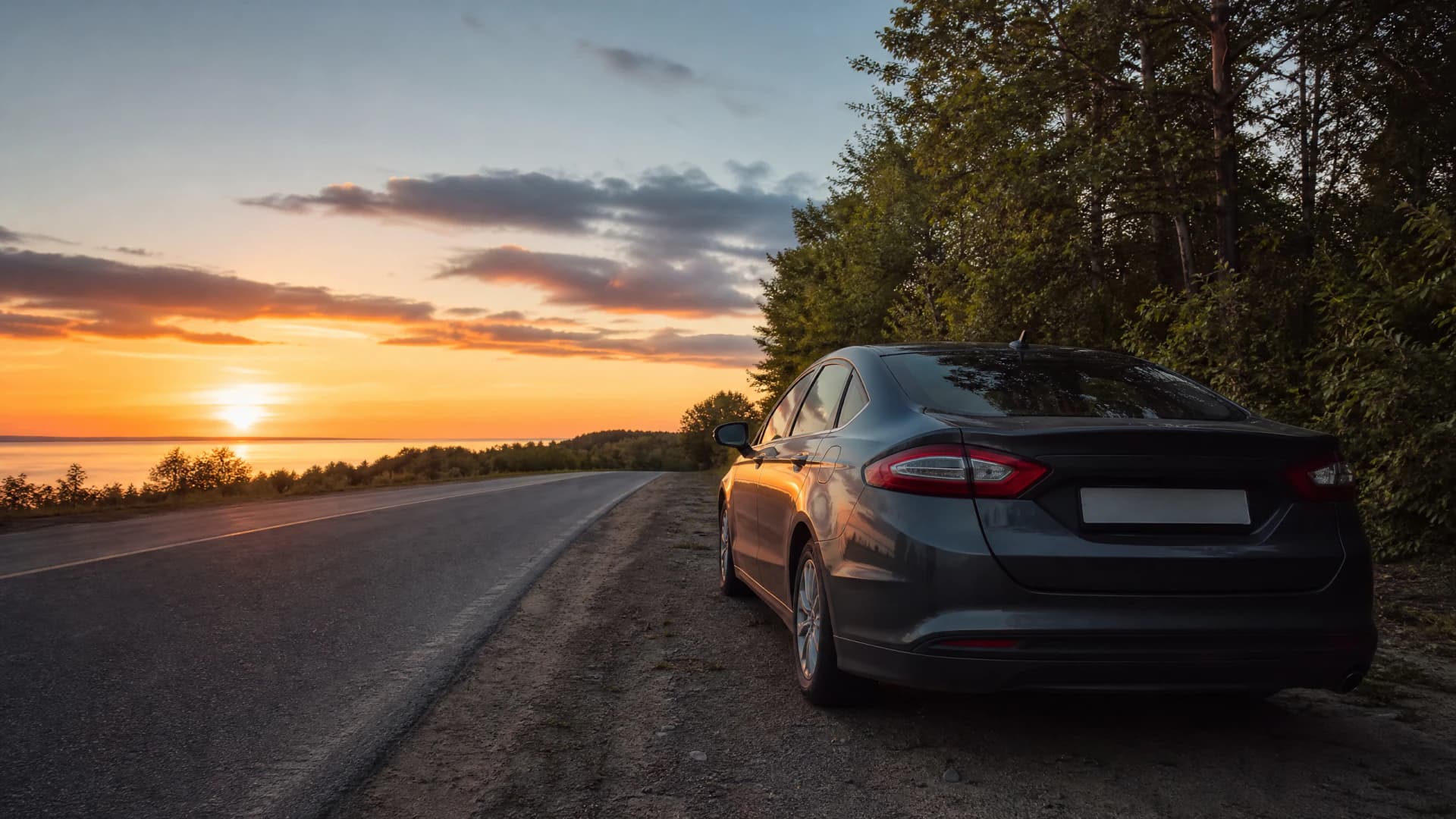
Minimum liability protects others. It does not repair or replace your vehicles when you cause the accident or when the other driver has no insurance.


When Lenders Require Full Coverage
If you finance or lease a vehicle, the lienholder requires collision and comprehensive coverage until the loan is paid off. The lender's contract names them as loss payee, which means the insurer pays them directly if the vehicle is totaled. You cannot legally drop collision and comprehensive on a financed vehicle without violating the loan agreement.
Once the loan is satisfied, the lender releases the lien and you control the coverage decision. Many households drop collision and comprehensive at that point if the vehicle's value has depreciated below the threshold where full coverage makes financial sense.
Households with multiple vehicles often carry full coverage on financed or high-value cars and minimum liability on older paid-off vehicles. That mixed approach keeps the household's total premium manageable while protecting the assets that justify the cost.
16.8%
Alabama Uninsured Motorist Rate
16.8% of Alabama drivers carry no insurance, according to 2023 Insurance Research Council data. That's roughly one in six drivers. Uninsured motorist coverage protects your household when an at-fault driver has no liability policy to pay your claim.
Insurance Research Council, 2023

The Gap Uninsured Motorist Coverage Fills
Alabama does not require uninsured motorist coverage, but 16.8% of drivers on Alabama roads carry no insurance. If an uninsured driver totals your car, their nonexistent liability policy pays nothing. Your collision coverage pays to replace your vehicle, but only if you bought collision. If you carry minimum liability only, you pay out of pocket or sue the uninsured driver — a process that rarely recovers the full amount.
Uninsured motorist property damage coverage closes that gap. It pays to repair your vehicle when an at-fault driver has no insurance, up to the limit you choose. Uninsured motorist bodily injury coverage pays your medical bills and lost wages under the same scenario. Both coverages cost less than collision because they pay only when the other driver is uninsured and at fault, not in every accident.
How to Structure Coverage Across Multiple Vehicles
Most Alabama households with two or more vehicles do not insure every car identically. The newer financed vehicle carries full coverage because the lender requires it. The household saves money without leaving high-value assets uninsured.
Compare carriers that write multi-vehicle policies in Alabama. The multi-car discount applies when every vehicle sits on the same policy, and it typically reduces the per-vehicle premium by a meaningful percentage. Combining policies also simplifies billing and claims. Use the site's comparison tool to see which carriers write your household's mix of coverage levels and how the total premium compares across the roster writing in Alabama.
What Full Coverage Adds
Collision coverage pays to repair or replace your vehicle after an accident, regardless of who caused it. If you hit a guardrail, rear-end another car, or get sideswiped in a parking lot, collision pays your repair bill minus your deductible. Comprehensive coverage pays for non-collision damage: theft, vandalism, hail, fire, hitting a deer, or a tree falling on your car. Together, collision and comprehensive insure your vehicle's actual cash value.
Both coverages require a deductible. You choose the deductible when you buy the policy — typically $500 or $1,000. The deductible is what you pay out of pocket before the insurer pays the rest. A higher deductible lowers your premium but increases your immediate cost after a claim. Full coverage makes financial sense when the vehicle's value exceeds the annual premium plus deductible by a meaningful margin.
Get Your Free Quote
Get My Alabama Car Insurance QuoteFrequently Asked Questions
Does Alabama require full coverage?
No. Alabama requires only $25,000/$50,000/$25,000 liability coverage. Collision and comprehensive are optional unless a lender requires them as a condition of your loan or lease.
What happens if I drop collision on a financed car?
Your lender will place force-placed insurance on the vehicle and charge you for it, typically at a much higher rate than your own policy. Force-placed coverage protects only the lender's interest, not yours, and violates your loan agreement.
Can I carry full coverage on one car and minimum on another?
Yes. Most multi-vehicle households in Alabama mix coverage levels based on vehicle value and lien status. Newer financed cars carry full coverage; older paid-off cars often carry minimum liability only.
Does minimum liability cover my car if someone hits me?
No. Minimum liability pays for damage you cause to others. If another driver hits you, their liability coverage pays for your vehicle — but only if they carry insurance and accept fault. Your collision coverage pays regardless of fault.
Is uninsured motorist coverage worth it in Alabama?
16.8% of Alabama drivers carry no insurance. Uninsured motorist coverage pays your repair and medical bills when an at-fault driver has no policy. It costs less than collision and fills a gap minimum liability does not cover.
How much does full coverage cost compared to minimum in Alabama?
Cost varies by vehicle value, driver age, location, and coverage limits. Full coverage typically costs several times more than minimum liability because it insures your own vehicles, not just your liability to others. Compare carriers to see the difference for your household's specific vehicles.