
Alabama Car Insurance Law Coverage — Alabama
Free to compare
What Alabama Law Actually Requires
You own two cars, maybe three. You need to know whether Alabama law requires you to carry separate minimum coverage on each vehicle or whether one policy covering all of them satisfies the state. The answer: Alabama's minimum liability requirement applies to the policy, not to each individual vehicle. One policy with $25,000 bodily injury per person, $50,000 bodily injury per accident, and $25,000 property damage covers every car listed on it.
This matters because many drivers assume each vehicle needs its own proof of insurance or its own minimum-limit declaration. Alabama does not work that way. The state measures compliance at the policy level. If your policy meets the $25,000/$50,000/$25,000 floor and lists all your household vehicles, you satisfy state law for registration and legal operation of every car on that policy.
“Alabama's liability minimums apply to the policy, not to each vehicle—one compliant policy covers every car listed on it.”

See What Alabama Drivers Pay for the Coverage They Need
Get My Alabama Car Insurance Quote$25,000/$50,000/$25,000
Alabama Liability Minimums
Alabama requires $25,000 bodily injury per person, $50,000 bodily injury per accident, and $25,000 property damage per policy. These are the floors for legal operation and vehicle registration.
Alabama Department of Revenue, Motor Vehicle Division
Why Multi-Car Households Misread the Requirement
The confusion starts when you add a second or third vehicle mid-term. You receive updated declarations showing each car listed separately, and the premium increases. Many drivers interpret the per-vehicle line items as separate minimum-coverage obligations. They are not. The declarations page lists vehicles for rating and identification purposes, but the liability limits apply to the entire policy, not to each car individually.
Alabama law does not require you to carry $25,000/$50,000/$25,000 on Car A and another $25,000/$50,000/$25,000 on Car B. You carry one policy with those minimums, and it covers both cars. The per-vehicle premium breakdown you see on your bill reflects how the carrier prices each car's risk, not separate coverage stacks.
This structural reality changes how you evaluate coverage. If you own three vehicles and one is rarely driven, you do not need separate liability minimums for the rarely-driven car. You need all three vehicles listed on one policy that meets the state floor. The coverage applies to any vehicle on the policy when an accident occurs.
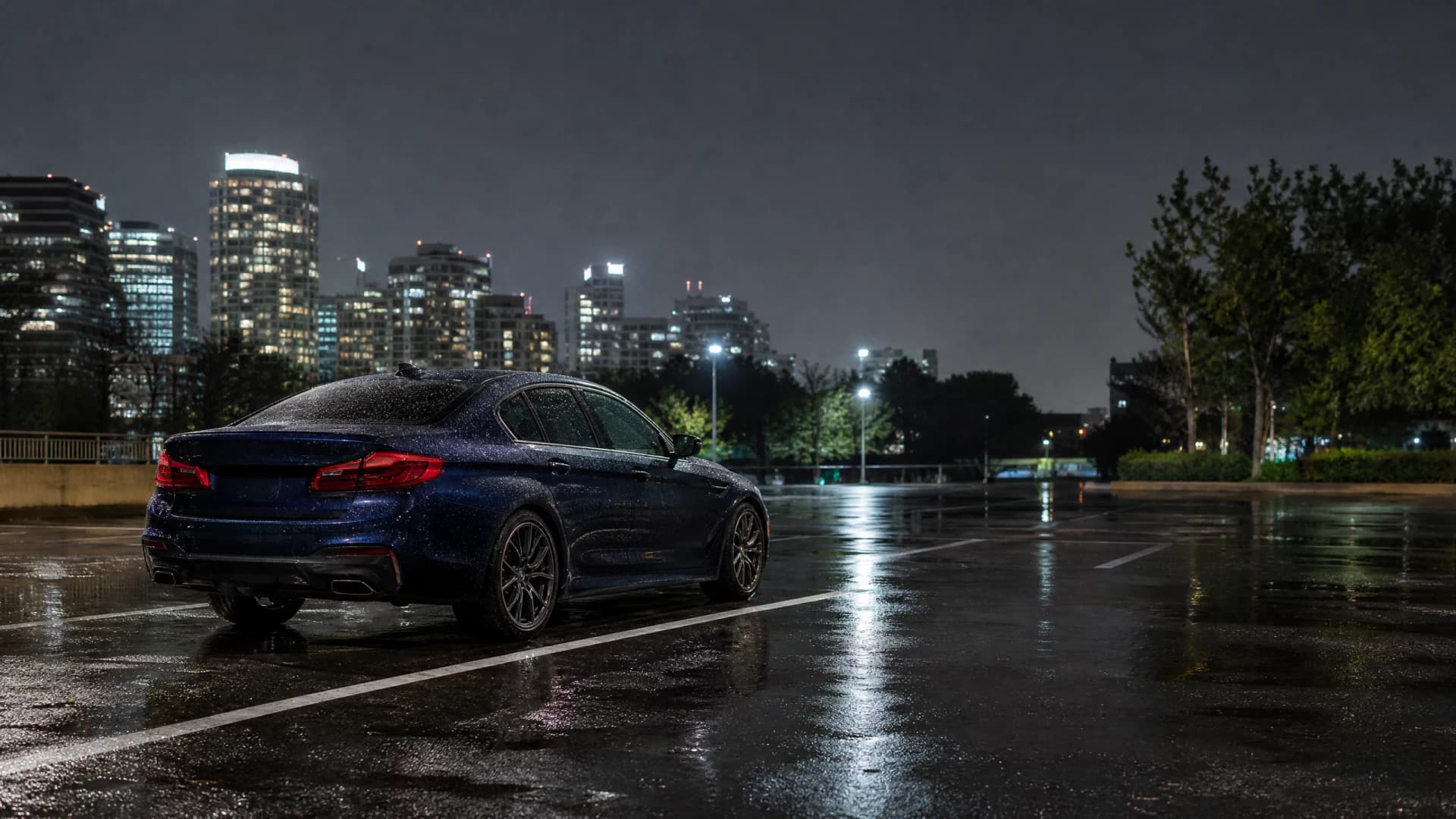
Alabama measures compliance at the policy level, not per vehicle. One policy meeting $25,000/$50,000/$25,000 covers every car listed on it.


When Adding a Vehicle Changes Your Compliance Status
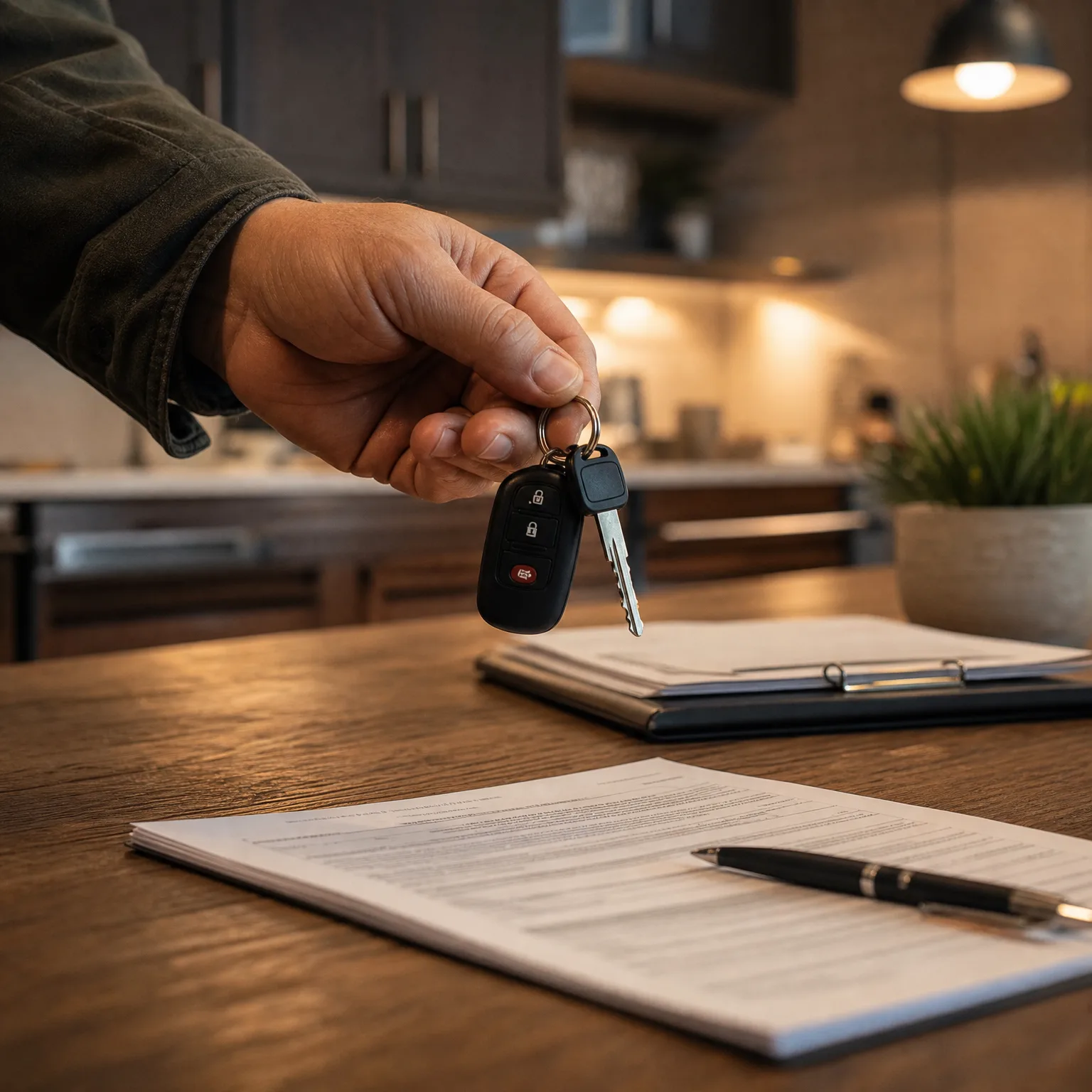
You add a third vehicle to your policy mid-term. The carrier re-rates the policy and increases your premium. Your liability limits do not change: you still carry $25,000/$50,000/$25,000, and that still satisfies Alabama law. The new vehicle is now covered under the same policy-level limits as the first two.
The compliance risk appears when you buy a car and delay adding it to your policy. Most carriers give you a grace period of 14 to 30 days to report a newly-acquired vehicle. During that window, the new car is typically covered under your existing policy's liability limits. After the grace period expires, an unreported vehicle may not be covered, and you are driving without proof of insurance under Alabama law.
If you own multiple vehicles and one is titled to a household member not listed on your policy, that vehicle may not be covered under your policy's liability limits. Alabama law does not require household members to share one policy, but if they do not, each driver must carry their own policy meeting state minimums. A car titled to your spouse or adult child and driven regularly by them needs to be either added to your policy as a listed driver and vehicle, or insured under a separate policy in their name.
16.8%
Alabama Uninsured Motorist Rate
16.8% of Alabama motorists drive without insurance. Uninsured motorist coverage is optional in Alabama, but it protects you when another driver lacks the liability coverage required by law.
Insurance Information Institute, 2023

Optional Coverages That Protect Multi-Car Households
Alabama does not require uninsured motorist coverage, personal injury protection, or collision and comprehensive coverage. These are optional. For a household with multiple vehicles, uninsured motorist coverage addresses the 16.8% chance the other driver in an accident has no insurance. It pays your medical bills and vehicle damage up to your policy limits when the at-fault driver cannot.
Collision and comprehensive coverage protect your own vehicles regardless of fault. Collision pays for damage to your car after an accident with another vehicle or object. Comprehensive pays for theft, weather damage, vandalism, and animal strikes. If you finance or lease any vehicle in your household, the lender requires both. If you own all your cars outright, you decide whether the coverage cost justifies the protection based on each vehicle's value and your ability to replace it out of pocket.
Compare Carriers That Write Multi-Car Policies in Alabama
Alabama licenses 26 carriers that write multi-car policies for households insuring two or more vehicles. Carriers price multi-car policies differently: some offer a multi-car discount that lowers the per-vehicle premium when you insure multiple cars on one policy, while others build multi-vehicle pricing into their base rates without a named discount. The discount or rate structure matters less than the total premium for all vehicles combined.
When you compare quotes, provide accurate information for every vehicle and every driver in your household. Carriers rate based on the vehicles' make, model, year, garaging address, annual mileage, and each driver's age, driving record, and credit history where Alabama law permits. A quote that omits a vehicle or a driver will be re-rated when you add them, and the final premium may be higher than the initial quote. Request quotes that include all vehicles and all household members who will drive them, so you compare accurate totals across carriers.
What Counts as Proof of Insurance
Your insurance card or electronic proof must show the policy number, the named insured, the coverage effective dates, and the carrier. It does not need to list every vehicle individually. When you register a second or third car, the Alabama Department of Revenue verifies that the vehicle is listed on an active policy meeting minimum liability limits. The carrier files this electronically in most cases, but you may need to present the declarations page showing the new vehicle added.
If you are stopped while driving any vehicle on your policy, the officer verifies coverage by policy number. The fact that you are driving Car B instead of Car A does not matter as long as both are listed on the same policy. Alabama does not require you to carry separate proof documents per vehicle. One insurance card showing the policy covers you in any car listed on that policy.
Get Your Free Quote
Get My Alabama Car Insurance QuoteFrequently Asked Questions
Does each car on my Alabama policy need separate liability coverage?
No. Alabama requires $25,000/$50,000/$25,000 liability per policy, not per vehicle. One policy meeting those minimums covers every car listed on it. You do not need separate liability limits for each vehicle.
What happens if I add a car to my policy mid-term in Alabama?
The carrier re-rates your policy and increases your premium to reflect the additional vehicle. Your liability limits stay the same, and the new car is covered under the same policy-level minimums. Report the new vehicle within your carrier's grace period, typically 14 to 30 days, to avoid a coverage gap.
Can I insure multiple cars on one Alabama policy if they are titled to different household members?
Yes, if all drivers and vehicles are listed on the policy. A car titled to your spouse or adult child can be added to your policy as long as that person is listed as a driver. If they are not on your policy, they need their own policy meeting Alabama's minimum liability requirements.
Does Alabama require uninsured motorist coverage for multi-car policies?
No. Uninsured motorist coverage is optional in Alabama. It protects you when another driver lacks insurance, which applies to 16.8% of Alabama motorists. Many households with multiple vehicles choose it for that reason.
What proof of insurance does Alabama require for multiple vehicles?
Alabama requires proof showing your policy number, named insured, coverage dates, and carrier. You do not need separate proof documents per vehicle. One insurance card or electronic proof covers every vehicle listed on the policy.
Do I need collision and comprehensive on every car in Alabama?
Only if you finance or lease the vehicle. Alabama does not require collision or comprehensive coverage on cars you own outright. You decide based on each vehicle's value and your ability to replace it without insurance.