
Gap Insurance for Multiple Vehicles — Alabama
Free to compare
When Gap Coverage Becomes a Multi-Vehicle Question
You financed a third car and the lender asked whether you want gap insurance added to the loan. Your first two vehicles already carry full coverage through the same policy, and you're trying to figure out whether gap is something you add once to the whole policy or separately for each car. The dealer's finance office made it sound mandatory, but your existing carrier never mentioned it when you added the second vehicle last year.
Gap insurance is a per-vehicle product, not a policy-wide coverage. Each financed or leased car on your policy either has gap or doesn't — there's no shared gap bucket that protects every vehicle. That structure creates a decision point every time you add a financed car to a household policy: does this specific vehicle need gap, or can you skip it and save the premium?
“Gap applies per vehicle, not per policy — a household with three financed cars needs three separate gap decisions.”

See What Alabama Drivers Pay for the Coverage They Need
Get My Alabama Car Insurance Quote$25,000 / $50,000 / $25,000
Alabama Minimum Liability Limits
Alabama requires $25,000 bodily injury per person, $50,000 per accident, and $25,000 property damage. These minimums apply to every vehicle on your policy, but gap coverage — which pays the loan balance after a total loss — is optional and priced separately per car.
Alabama Department of Public Safety
What Gap Insurance Actually Covers on a Multi-Car Policy
Gap insurance pays the difference between what your collision or comprehensive coverage pays after a total loss and what you still owe the lender.
On a policy with three financed vehicles, gap applies only to the cars you specifically added it to. If you bought gap for the new sedan but not for the truck you financed two years ago, a total loss on the truck leaves you responsible for any negative equity. The sedan's gap coverage doesn't transfer or share across the policy.
Gap is useful when a vehicle's loan balance exceeds its actual cash value — typically the first 2-3 years of a loan with a small down payment, or any time you rolled negative equity from a trade-in into the new loan. Once you've paid down enough principal that the car is worth more than you owe, gap becomes redundant with your collision coverage.

Gap applies per vehicle, not per policy. A household with three financed cars needs three separate gap decisions — one for each loan balance and depreciation curve.
Related Articles




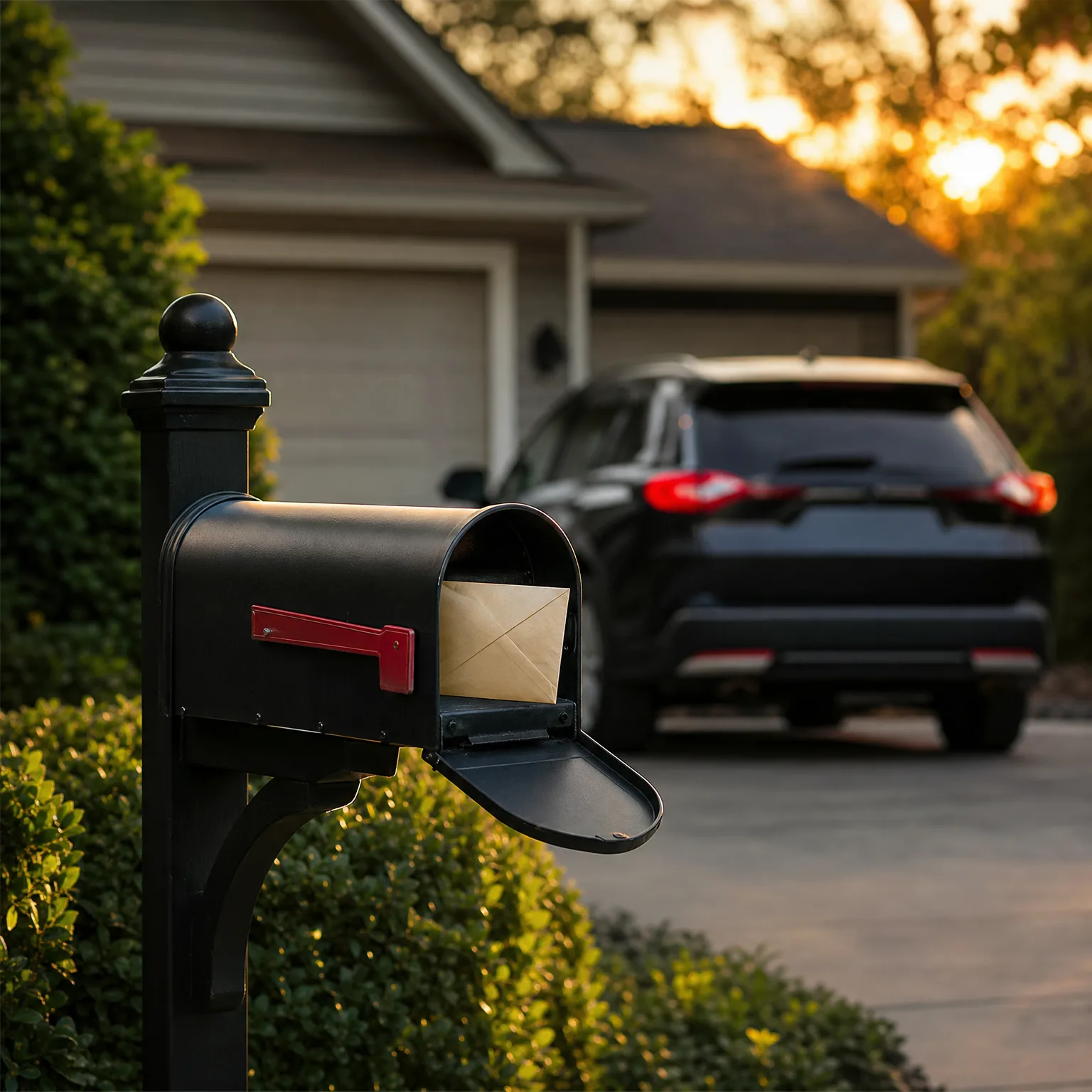


How Gap Premium Stacks When You Insure Multiple Financed Cars
Gap premium is charged per vehicle, and it's typically a small percentage of your collision and comprehensive premium for that car. When you add gap to three vehicles on the same policy, you're paying three separate gap charges, each tied to that car's specific risk profile.
Some carriers offer a flat annual gap fee per vehicle rather than a percentage of premium. That structure can save money on expensive cars with high collision premiums, but it costs more on cheaper vehicles where the percentage method would produce a lower charge. Compare both structures across the carriers writing your household's vehicles before deciding where to place gap.
Dealer-sold gap — the coverage the finance office offers when you sign the loan — is almost always more expensive than carrier-sold gap added to your auto policy. Dealer gap is financed into the loan, so you pay interest on the gap premium for the life of the loan. Carrier gap is paid monthly or annually with no interest charge, and you can cancel it once the vehicle has equity. For a household adding multiple financed cars over time, carrier gap is the better structure.
16.8%
Alabama Uninsured Motorist Rate
16.8% of Alabama drivers carry no insurance. A total loss caused by an uninsured driver triggers your collision coverage, which pays actual cash value minus your deductible — gap then covers any remaining loan balance. Without gap, you're responsible for the shortfall even though the at-fault driver had no coverage.
Insurance Research Council, 2023

When to Drop Gap from a Vehicle on a Multi-Car Policy
Gap becomes unnecessary once your loan balance drops below the car's actual cash value. That crossover point varies by vehicle: a car with a large down payment and a short loan term may have equity within 18 months, while a zero-down 84-month loan on a rapidly-depreciating model may stay underwater for four years.
When you drop gap from one vehicle on a multi-car policy, the other vehicles keep their gap coverage unchanged. Each car's gap is independent. If your oldest financed car now has equity but the two newer vehicles are still underwater, cancel gap on the first and keep it on the other two. Your carrier adjusts the premium at the next renewal or mid-term if you request the change before then.
Compare Carriers That Write Gap for Alabama Multi-Car Households
Not every carrier writing Alabama auto insurance offers gap coverage, and among those that do, pricing and structure vary. Alabama's carrier roster includes 25 companies writing standard and non-standard auto policies, but only a subset sell gap as an add-on to collision and comprehensive. When you're structuring coverage for multiple financed vehicles, compare gap availability and cost across at least three carriers that write multi-car policies in your county — gap premium differences can be larger than the base collision premium differences, especially on high-value vehicles with large loan balances.
Which Vehicles in Your Household Actually Need Gap
A brand-new financed car with 10% down and a 72-month loan almost always needs gap for at least the first two years. New cars depreciate fastest in year one — often 20-30% — while your loan balance drops slowly because most of the early payments go to interest. That mismatch creates negative equity, and gap is the only coverage that protects you from writing a check after a total loss.
A three-year-old vehicle you're still paying off may not need gap if you've already crossed the break-even point where the car's value exceeds the loan balance. Check your current loan payoff amount against the car's actual cash value (use your carrier's valuation tool or a third-party appraisal). If the value is higher, you have equity and gap is redundant. If the loan balance is still higher, gap remains useful until you pay down enough principal to flip the ratio.
Get Your Free Quote
Get My Alabama Car Insurance QuoteFrequently Asked Questions
Does gap insurance cover all cars on my Alabama policy?
No. Gap insurance applies only to the specific vehicles you add it to. If you have three financed cars on one policy and buy gap for two of them, only those two are covered. The third car's loan balance is your responsibility after a total loss.
Can I add gap insurance to a car I financed two years ago?
Yes, as long as you still owe more than the car is worth. Most carriers let you add gap mid-term to any financed vehicle on your policy. If the car already has equity, gap is redundant and the carrier may decline to add it.
Is dealer gap insurance better than adding gap to my auto policy?
No. Dealer gap is financed into your loan, so you pay interest on the premium for years. Carrier gap added to your auto policy costs less, carries no interest, and can be canceled once your car has equity.
Do I need gap insurance on a leased vehicle in Alabama?
Most lease agreements require gap coverage or include it automatically in the lease terms. Check your lease contract — if gap is already included, adding it to your auto policy creates redundant coverage. If it's not included, your carrier can add it.
How do I know when to cancel gap insurance on one of my cars?
Check your loan payoff amount and compare it to your carrier's valuation or a third-party appraisal annually. Once you have equity, gap is no longer useful.
Does gap insurance cover my deductible after a total loss?
Some gap policies cover your collision deductible; others do not. Read the gap policy terms or ask your carrier. If your gap policy excludes the deductible, you'll pay that amount out of pocket even though gap covers the loan shortfall.