
Alabama Operates Under a Fault-Based System
Alabama is not a no-fault car insurance state. It operates under a traditional fault-based liability system. When a crash occurs, the at-fault driver's liability insurance pays for the other party's medical bills, lost wages, and property damage. Your own liability coverage does not pay for your injuries or vehicle damage when you cause the crash — it pays the other driver's costs.
This matters when you're structuring coverage for multiple vehicles in your household. In a fault-based state like Alabama, each vehicle on your policy carries liability limits that protect you financially when you or another household driver causes a crash. The state minimum liability requirement is $25,000 per person for bodily injury, $50,000 per accident for bodily injury, and $25,000 for property damage. Those limits apply per vehicle, but the policy's total liability exposure depends on how many vehicles you insure and how you structure your coverage.
Compare car insurance rates in your state
Get quotes from licensed carriers — no obligation, no spam, results in minutes.
Get Your Free QuoteAlabama Minimum Liability Limits
$25,000/$50,000/$25,000
These are the lowest liability limits you can carry to legally register and drive a vehicle in Alabama. The first figure covers bodily injury per person, the second covers bodily injury per accident, and the third covers property damage per accident.
Alabama Department of Revenue, Motor Vehicle Division
What Fault-Based Liability Means for Your Policy
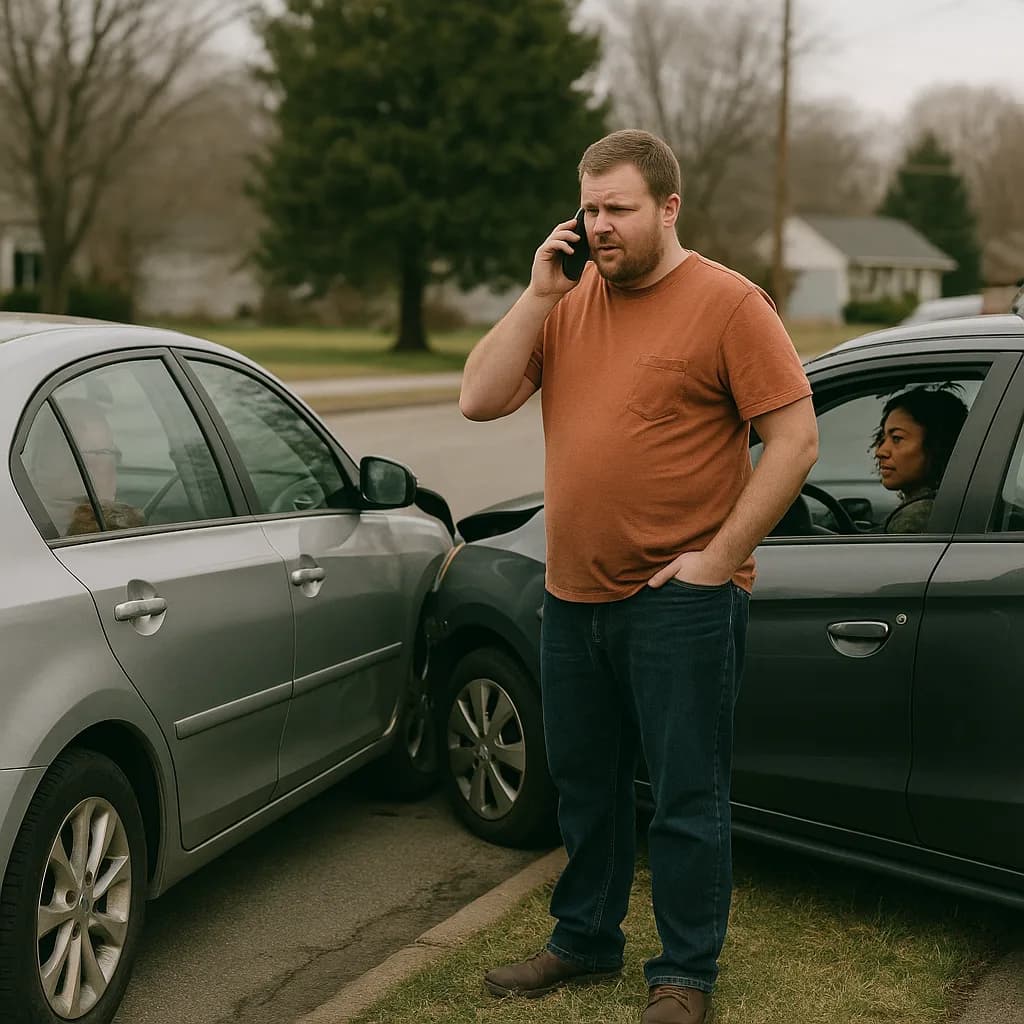
In Alabama's fault system, your liability coverage is your financial defense when you cause a crash. If you rear-end another vehicle and injure the driver, your bodily injury liability pays their medical bills up to your policy limit. If you total their car, your property damage liability pays for the vehicle repair or replacement up to your limit. Your own injuries and vehicle damage are not covered by your liability policy — you need collision coverage for your vehicle and either health insurance or medical payments coverage for your injuries.
This is the opposite of a no-fault state, where your own personal injury protection coverage pays your medical bills after a crash regardless of who caused it. Alabama does not require personal injury protection. You can add medical payments coverage to your policy as an optional add-on, but it is not mandatory. The state's system assumes the at-fault driver's liability insurance will pay the injured party's costs.
When you insure multiple vehicles on one Alabama policy, each vehicle carries the same liability limits unless you specify otherwise. If you carry the state minimum on a two-car policy and you cause a crash while driving either vehicle, the other driver can claim up to $25,000 per person and $50,000 per accident from your policy. If their medical bills exceed your limit, you are personally liable for the difference. Many households with multiple vehicles choose higher liability limits to protect household assets.
Alabama does not cap the at-fault driver's financial responsibility. If your liability limits are too low, you pay the difference out of pocket.
How Alabama Handles Claims After a Crash

After a crash, the injured party files a claim against the at-fault driver's liability insurance. The at-fault driver's carrier investigates, determines liability, and pays the claim up to the policy limit. This is one of the strictest fault rules in the country. It means your own collision and medical payments coverage become critical, because you may not be able to claim against the other driver even when they are mostly at fault.
When you insure multiple vehicles, this rule applies to every driver and every vehicle on your policy. If your teenager is 10% at fault in a crash while driving one of your household vehicles, they cannot recover damages from the other driver under Alabama law. Your collision coverage on that vehicle is the only way to repair it. Your health insurance or medical payments coverage is the only way to pay medical bills. The other driver's liability insurance will not pay anything if your household driver contributed to the crash in any way.
Related Articles



Structuring Liability and Optional Coverage Across Multiple Vehicles
When you insure two or more vehicles in Alabama, you choose liability limits that apply to every vehicle on the policy. Most carriers allow you to set different limits per vehicle, but the default is uniform limits across the policy.
Collision and comprehensive coverage are optional in Alabama unless your lender requires them. Collision pays to repair your own vehicle after a crash regardless of fault. Comprehensive pays for non-crash damage such as theft, hail, or hitting a deer. When you add a second or third vehicle to your policy, you decide whether each vehicle carries collision and comprehensive or liability only. Older vehicles with low market value often drop collision and comprehensive to lower the premium, while financed or leased vehicles carry full coverage to meet lender requirements.
Uninsured motorist coverage is optional in Alabama, but 16.8% of Alabama drivers are uninsured. Uninsured motorist bodily injury coverage pays your medical bills when an uninsured driver causes a crash and has no liability insurance to pay your claim. Underinsured motorist coverage pays when the at-fault driver's liability limits are too low to cover your damages. Both are optional, but they fill the gap Alabama's fault system creates when the other driver cannot pay.
Alabama Uninsured Motorist Rate
16.8%
Nearly one in six Alabama drivers carries no insurance. In a fault-based state, that means you cannot recover damages from an uninsured at-fault driver unless you carry uninsured motorist coverage on your own policy.
Insurance Information Institute, 2023
Why No-Fault Confusion Happens and What It Means for You
Drivers moving to Alabama from no-fault states such as Florida, Michigan, or New York often expect their own policy to pay their medical bills after a crash. In those states, personal injury protection is mandatory and pays regardless of fault. Alabama does not work that way. Your own liability policy does not pay your costs when you cause a crash — it pays the other driver's costs. If you want your own policy to cover your medical bills or vehicle damage, you need optional medical payments coverage and collision coverage.
This distinction matters when you compare quotes for multiple vehicles. A no-fault state quote includes mandatory personal injury protection, which raises the premium but also pays your medical bills automatically. An Alabama quote does not include that coverage unless you add medical payments as an optional layer. The base premium for Alabama liability-only coverage is lower, but you carry more personal financial risk if you cause a crash and injure yourself or damage your own vehicle.
Compare Alabama Carriers Writing Multi-Vehicle Policies
Alabama's fault-based system does not change how carriers write multi-vehicle policies, but it does change what coverage you need. When you compare carriers, confirm that each quote includes the liability limits you want, uninsured motorist coverage if you choose to add it, and collision and comprehensive on the vehicles you want to protect. Carriers writing Alabama policies include State Farm, GEICO, Progressive, Allstate, Farmers, Nationwide, and USAA. Most offer a multi-car discount when you insure two or more vehicles on the same policy, but the discount structure and base rates vary by carrier. Compare quotes with identical coverage limits across at least three carriers to find the best fit for your household's vehicles.