
License Reinstatement After Uninsured Driving — Alabama
Free to compare
What Happens When Alabama Catches You Driving Without Insurance
Alabama suspends your driver license when you are caught driving without insurance. The suspension runs until you meet every reinstatement requirement the state sets, and those requirements include proof of insurance, a reinstatement fee, and a three-year SR-22 filing period that does not start until you file. Many drivers assume the suspension clock and the SR-22 clock run together — they do not.
The state does not publish a fixed suspension duration for uninsured driving. Your license stays suspended until you complete the reinstatement process, which means buying insurance, filing SR-22, paying the fee, and waiting for the Alabama Law Enforcement Agency to clear you. The SR-22 filing period is separate: it runs for three years after you file, not three years from the date you were caught.
“The three-year SR-22 clock starts when your insurer files the certificate, not when you were caught driving uninsured.”

See What Alabama Drivers Pay for the Coverage They Need
Get My Alabama Car Insurance Quote$100
Alabama Reinstatement Fee
The base reinstatement fee is $100, paid to ALEA when you apply to restore your license after an uninsured-driving suspension. Additional fees may apply if other violations or lapses are on your record.
Alabama Law Enforcement Agency
Why the SR-22 Filing Period Starts After You Prove Coverage
Alabama requires SR-22 filing for three years after you are caught driving without insurance. The three-year clock starts on the date your insurer files the SR-22 certificate with ALEA, not the date of your violation or the date your license was suspended. If you wait six months to buy insurance and file SR-22, you add six months to the total time before you are free of the filing requirement.
The SR-22 is a certificate your insurance carrier files directly with the state to prove you carry at least Alabama's minimum liability limits: $25,000 per person for bodily injury, $50,000 per accident for bodily injury, and $25,000 for property damage. The carrier charges a filing fee — the state does not set this fee, so it varies by insurer — and the carrier must keep the SR-22 on file for the full three years. If your policy lapses or cancels during that period, the carrier notifies ALEA immediately and your license is suspended again.
You cannot shorten the three-year SR-22 period. It runs from the filing date to three years later, with no early release for clean driving or continuous coverage. The only way to avoid extending it is to maintain continuous coverage without a single lapse from the day you file until the three-year mark.
Your SR-22 filing period does not start until your insurer files the certificate with ALEA. Every day you delay buying coverage adds a day to the back end of your three-year requirement.



How Alabama's Hardship License Works During Suspension
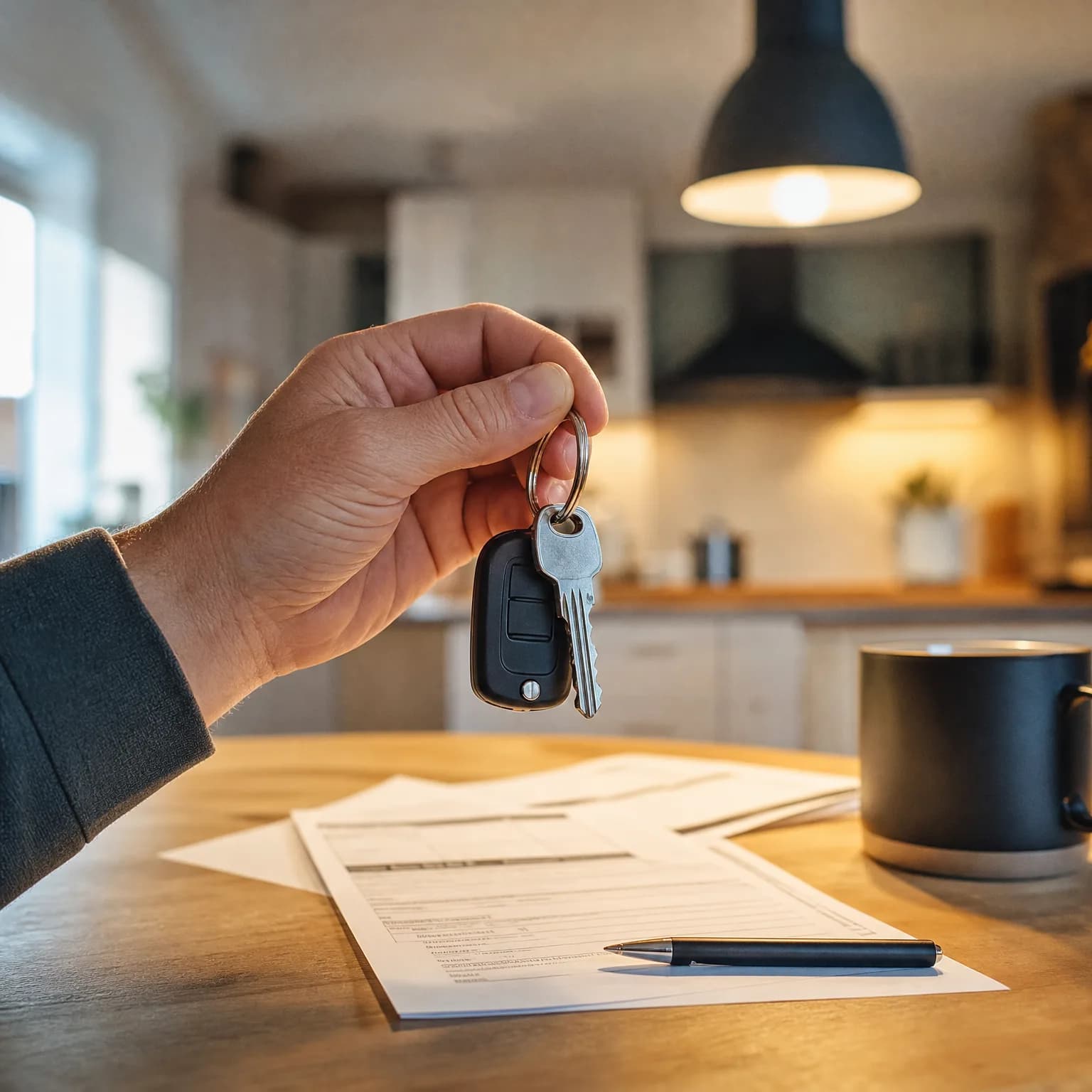
Alabama offers a Hardship Driver License (Class D, limited privileges) that allows you to drive for specific purposes while your regular license is suspended. The hardship license is available for drivers suspended due to unpaid fines, points accumulation, or driving without insurance — but not for DUI suspensions. If your suspension is solely for uninsured driving, you are eligible to apply.
You cannot apply in person. After ALEA approves your application, you have 30 days to visit an ALEA office to receive the hardship license. The license restricts your driving to specific purposes: work, job training, job interviews, religious or civic events, education, childcare, court-ordered programs, medical appointments, pharmacy visits, purchasing food or household necessities, and voting. You cannot use the hardship license for recreational driving or errands outside these categories.
The hardship license requires proof of insurance. You must carry at least Alabama's minimum liability limits and file SR-22 if your suspension requires it. The hardship license does not shorten your SR-22 filing period or your suspension — it only allows limited driving while you work through the reinstatement process. Once you complete reinstatement and your regular license is restored, the hardship license expires and you return to unrestricted driving privileges.
16.8%
Alabama Uninsured Motorist Rate
16.8% of Alabama motorists drive without insurance, one of the higher uninsured rates in the country. This rate increases the likelihood of being hit by an uninsured driver, which is why Alabama offers optional uninsured motorist coverage to protect you when the at-fault driver has no policy.
Insurance Information Institute, 2023
What Happens If Your SR-22 Policy Lapses
If your insurance policy lapses or cancels at any point during the three-year SR-22 filing period, your carrier notifies ALEA within days and the state suspends your license again immediately. There is no grace period. The suspension remains in effect until you buy a new policy, file a new SR-22, and pay another reinstatement fee. The three-year SR-22 clock does not pause during the lapse — it resets. When you file the new SR-22, you start a new three-year period from that filing date.
Many drivers lapse unintentionally: a missed payment, a bank account change that breaks autopay, or a carrier that non-renews the policy without adequate notice. Set up automatic payments and calendar reminders for your renewal date. If you plan to switch carriers during your SR-22 period, coordinate the switch so there is no gap between the old policy's cancellation and the new policy's effective date. Even a one-day lapse triggers a suspension and restarts your three-year clock.
Compare Alabama Carriers That Write SR-22 Policies
Not every carrier writes SR-22 policies, and among those that do, premiums vary by hundreds of dollars per year. Acceptance Insurance, Bristol West, Dairyland, Direct Auto, GAINSCO, and The General specialize in non-standard and high-risk policies and write SR-22 coverage in Alabama. Geico, Progressive, Farmers, National General, and USAA also write SR-22 policies and may offer lower rates if your driving record is otherwise clean. State Farm writes SR-22 in Alabama but does not always quote competitively for drivers with recent suspensions.
Quote with at least three carriers. Provide the same coverage limits and deductibles to each so you can compare premiums directly. Ask each carrier what their SR-22 filing fee is — it is not included in the premium quote and varies by insurer. If you own multiple vehicles, ask whether the carrier offers a multi-car discount and whether that discount applies to SR-22 policies. Some carriers exclude discounts for SR-22 filers; others apply them normally. The only way to know is to ask before you buy.
What You Must Submit to Reinstate Your Alabama License
First, buy an auto insurance policy that meets or exceeds Alabama's minimum liability limits. Not every carrier writes policies for drivers with a suspension on record, but several carriers in Alabama's roster write SR-22 and post-suspension coverage: Acceptance Insurance, Bristol West, Dairyland, Direct Auto, Farmers, GAINSCO, Geico, National General, Progressive, The General, and USAA all write SR-22 policies in Alabama. Call or quote online with at least three carriers to compare rates — premiums vary widely for SR-22 filers, and the first quote you receive is rarely the lowest.
Once you buy the policy, your insurer files the SR-22 certificate with ALEA electronically. You do not file it yourself. After the SR-22 is filed, pay the $100 reinstatement fee to ALEA and submit any additional documentation the agency requests. ALEA processes reinstatements through its Driver License Division; you can check your eligibility status and submit documents online at alea.gov or by visiting an ALEA office in person.
Get Your Free Quote
Get My Alabama Car Insurance QuoteFrequently Asked Questions
How long does Alabama suspend your license for driving without insurance?
Alabama does not publish a fixed suspension duration for driving without insurance. Your license remains suspended until you buy insurance, file SR-22, pay the $100 reinstatement fee, and ALEA clears your record. The suspension ends when you complete reinstatement, not after a set number of days.
Can I get a hardship license in Alabama after a no-insurance suspension?
Yes. Alabama offers a Hardship Driver License (Class D) for drivers suspended due to driving without insurance, unpaid fines, or points accumulation. The hardship license allows driving for work, education, medical appointments, and other specific purposes only.
What happens if my SR-22 insurance lapses in Alabama?
If your SR-22 policy lapses or cancels during the three-year filing period, your carrier notifies ALEA immediately and the state suspends your license again. You must buy a new policy, file a new SR-22, and pay another $100 reinstatement fee. The three-year SR-22 period resets from the new filing date.
How much does SR-22 filing cost in Alabama?
Alabama does not charge a state SR-22 filing fee. You also pay a $100 reinstatement fee to ALEA when you apply to restore your license after the suspension.
Which insurance carriers write SR-22 policies in Alabama?
Carriers that write SR-22 policies in Alabama include Acceptance Insurance, Bristol West, Dairyland, Direct Auto, Farmers, GAINSCO, Geico, National General, Progressive, The General, and USAA. Premiums vary widely, so quote with at least three carriers to compare rates and filing fees.
Does the SR-22 filing period start when I was caught driving without insurance?
No. The three-year SR-22 filing period starts on the date your insurer files the SR-22 certificate with ALEA, not the date you were caught or the date your license was suspended. Every day you delay buying insurance and filing SR-22 extends the total time before you are free of the requirement.